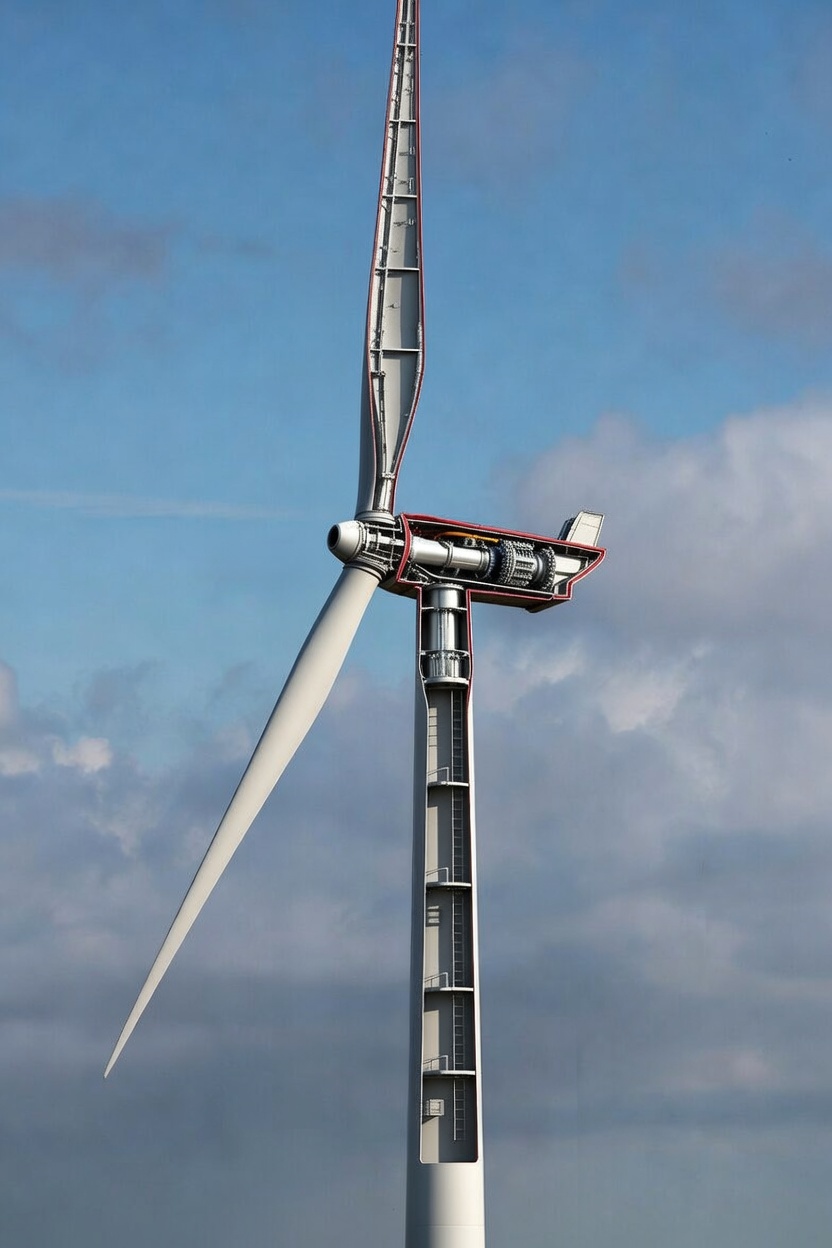
Damage is inevitable in high-performance composites—microcracks from fatigue, impacts, or environmental stress can compromise structural integrity over time. In applications like wind turbine blades, where maintenance is costly and downtime disruptive, this leads to shortened lifespans and increased waste. Self-healing polymers address this by autonomously detecting and repairing damage, mimicking biological systems like human skin. These "smart" materials extend service life, enhance safety, and contribute to sustainability by reducing replacement needs.
First demonstrated in 2001 by Scott White's team at the University of Illinois, self-healing technology has evolved from niche research to practical prototypes in aerospace, energy, and beyond.
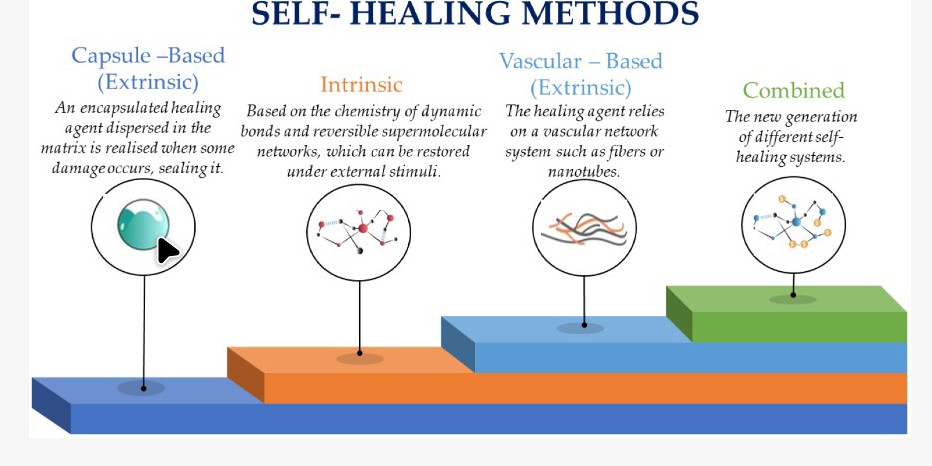
Mechanisms of Self-Healing
Self-healing falls into two primary categories: extrinsic (pre-embedded agents) and intrinsic (inherent network dynamics).
Intrinsic systems, especially those building on vitrimers and cleavable bonds (as discussed previously), offer the most promise for composites—combining healing with full recyclability.
How It Works in Composites
In fiber-reinforced materials, damage often initiates in the resin matrix.



Self-healing resins can:
Seal microcracks to prevent propagation to fibers.
*Restore up to 100% of original strength in optimized systems.
*Enable in-service repair without disassembly.
For wind blades, prototypes incorporate capsule-based or dynamic covalent healing to withstand cyclic loading and erosion, potentially doubling lifespan.
Renewable Energy:
Damage-tolerant blades reduce maintenance in harsh offshore environments.
Aerospace/Automotive: Lighter structures with built-in repair (e.g., Boeing and NASA research).
Coatings/Electronics: Scratch-resistant surfaces; healable battery electrodes.
By minimizing repairs and extending life, self-healing polymers cut material consumption and waste—synergizing with recyclable designs like MingYang's blades for truly closed-loop systems.
Challenges remain:
Balancing healability with mechanical performance, scaling production, and achieving stimulus-free healing. Advances in hybrid systems (e.g., vitrimer-self-healing combos) are closing these gaps.
Self-healing isn't science fiction—it's the next step toward resilient, zero-maintenance composites.
Next article topic: Shape-Memory Polymers – Smart Materials That Remember and Recover Their Form.