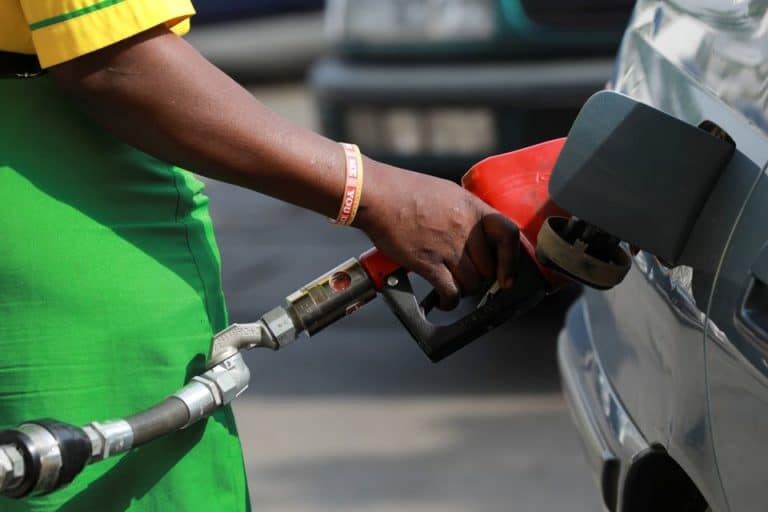


The sharp fuel price increases expected from 1 April 2026 are set to push up the cost of public transport, adding pressure on millions of commuters who rely on taxis, buses, and minibus services.
Analysts forecast petrol could rise by R4.50 to R5.41 per litre, while diesel – the main fuel for taxis and buses – may increase by R7.50 to R8.84 per litre or more. These hikes come from high global oil prices due to Middle East tensions, a weaker rand, and additional tax increases of about 21 cents per litre.
Taxi associations, including Santaco, have already warned that fare increases are likely. Many operators say they cannot absorb the full cost of higher diesel prices without adjusting what passengers pay. In some areas, notices of fare hikes have already appeared on taxis.
For many South Africans, the impact will be severe. Low-income workers often spend up to 40% of their monthly salary on transport. With higher fares, this share could rise above 50% for some households, making daily commutes even harder to afford. Labour federation Cosatu has described the situation as a potential “national disaster” for workers and has called on government to delay the new fuel tax increases or provide relief.


Bus operators and long-distance services are also expected to pass on higher diesel costs. While some public transport providers may absorb part of the increase in the short term, sustained high fuel prices usually lead to fare adjustments.
Economists note that public transport tends to cushion the blow better than private car use during fuel shocks. Operators often smooth out costs by not cutting fares when prices drop, which helps stabilise expenses for regular users. However, rail services like Prasa and Metrorail could see renewed interest if they become relatively more affordable compared to road transport.
Higher transport costs will also affect the broader economy. Diesel powers much of the freight and logistics sector, so increased costs for moving goods could lead to higher prices for food and other essentials.
With the final fuel price adjustments to be confirmed at the end of March, commuters are advised to budget for possible fare increases from early April. Unions and industry groups continue to urge government intervention to protect vulnerable households from the full impact of the price shock.