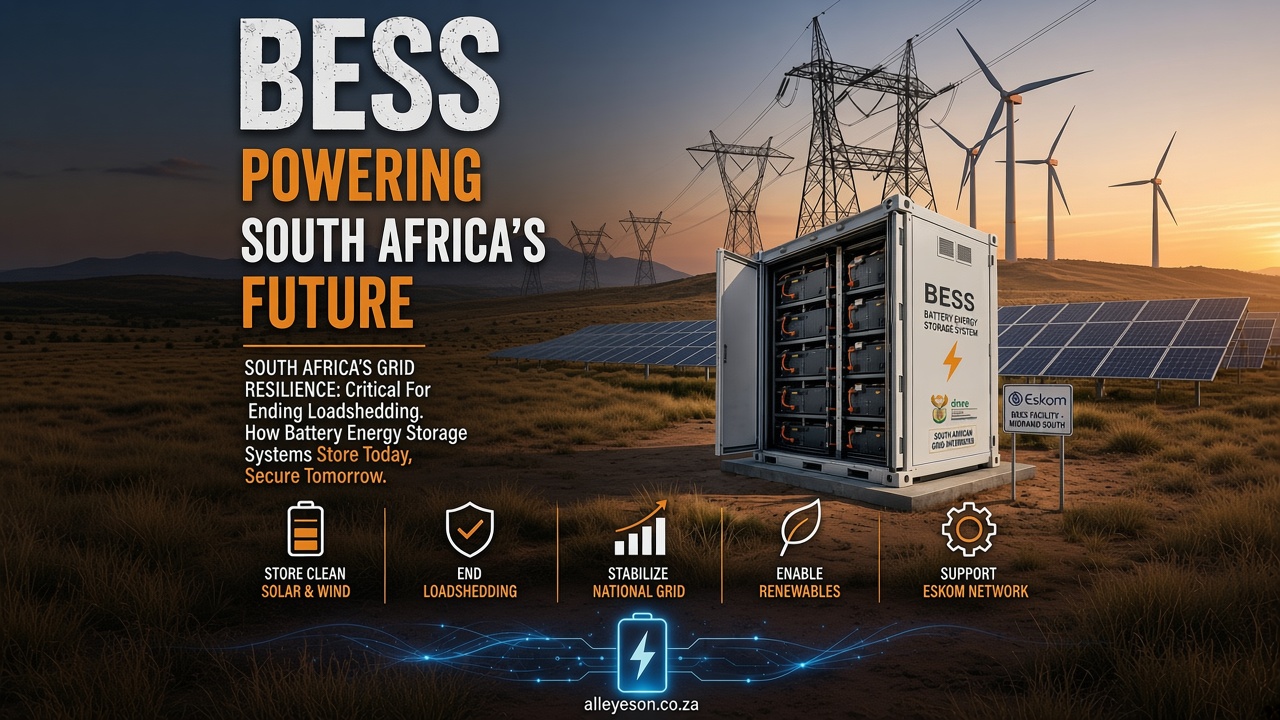


For years, South Africa’s primary economic hurdle was a severe deficit in electricity generation. However, official announcements from the Department of Electricity and Energy signal a fundamental shift in the nation’s power landscape. National supply now consistently outpaces demand during peak daylight hours, creating a midday generation surplus that averages more than 4,000 megawatts.
Addressing media representatives in Pretoria, Electricity and Energy Minister Dr. Kgosientsho Ramokgopa confirmed that accelerated generation recovery, driven by improved Eskom plant performance and a nationwide surge in private rooftop solar installation, has reshaped the national supply and demand balance.


While the elimination of rolling power cuts brings widespread relief to businesses and households, managing an energy surplus introduces its own distinct operational and economic complexities.The Cost of Uncaptured Power.
When electrical generation exceeds real-time grid demand, the surplus must either be stored, transmitted elsewhere, or intentionally curtailed. Without sufficient utility-scale energy storage, power grids cannot absorb unneeded electricity.
In economic terms, curtailing generation represents lost financial value. As Minister Ramokgopa noted, discarding available electricity equates to throwing away revenue that could otherwise support productive industrial activity or offset operational costs.
Furthermore, under standard power purchase agreements with Independent Power Producers (IPPs), grid operators are often contractually required to pay for available generation capacity regardless of whether the grid can accept the load. Dumping low-cost solar power during the day only to rely on capital-intensive peaking units during evening demand spikes highlights the structural mismatch currently facing energy planners.Storing Surplus for Evening Demand.

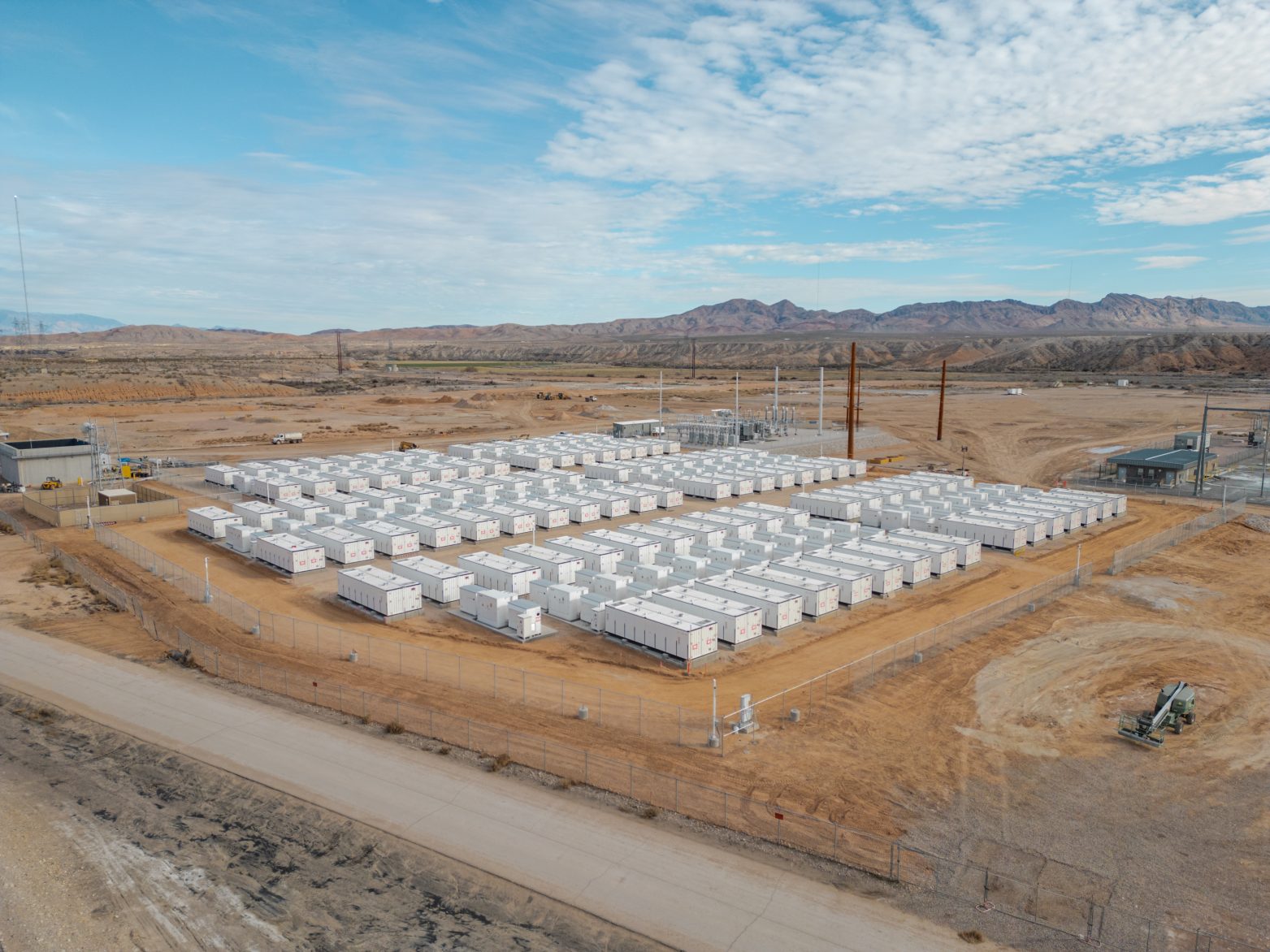
To address this imbalance, the government has gazetted its first Section 34 Determination under the Integrated Resource Plan (IRP 2025). The determination prioritizes two strategic pillars designed to stabilize and balance the national grid:4,600 Megawatts of Battery Energy Storage Systems (BESS): Utility-scale battery installations will capture excess daytime solar generation and store it for release during the 17:00 to 21:00 evening peak, directly mitigating the need for expensive diesel-fired peaking plants.5,000 Megawatts of Gas-to-Power Capacity: Flexible, fast-ramping gas generation will provide critical baseload backup and grid frequency control, balancing variable renewable inputs across changing weather patterns.


By prioritizing battery storage and gas rather than adding immediate standalone wind or solar capacity, energy authorities aim to build the flexible infrastructure required to absorb current generation before expanding the primary generation footprint further.Short-Term Interventions and Regional Integration. While multi-gigawatt battery facilities are being procured and constructed, state planners are pursuing immediate avenues to utilize excess daytime capacity. One primary vector involves regional integration through the Southern African Power Pool (SAPP). By exporting surplus daytime electricity to neighboring nations within the Southern African Development Community (SADC), South Africa can monetize excess generation while supporting regional economic stability.
Domestically, power utilities and local municipalities are evaluating dynamic Time-of-Use (TOU) tariff structures. By lowering daytime electricity rates for commercial and industrial users, energy planners aim to encourage heavy power consumers, such as municipal water pumping stations, manufacturing plants, and data centers, to shift their energy-intensive operations into midday hours.
Responsible stewardship of national resources requires foresight, diligence, and adaptability. As South Africa navigates this transition from power scarcity to grid management, establishing a balanced, reliable, and financially sustainable energy system remains essential for long-term economic flourishing.