There’s a quiet stretch of the West Coast where the fynbos still rolls out under big skies and the small town of Hopefield sits in the middle of it. For many who live there, that landscape is part of their identity. Now a large industrial proposal is set to change it dramatically, and the way the process has unfolded has left many residents feeling blindsided.

The project, driven by the Phelan Green Group, centres on a green hydrogen and electro-Sustainable Aviation Fuel (eSAF) plant planned just north of Hopefield. At full scale it aims to produce around 140,000 tonnes of synthetic aviation fuel a year, mainly for export to European markets. Supporting the plant would be a massive solar farm covering approximately 3,000 hectares, potentially involving millions of panels that would surround the town on two sides.
Critics highlight several concerns. The site sits in an area of endangered Hopefield Sand Fynbos. The plant itself would cover more than 60 hectares and stand up to 40 metres high, with flare stacks possibly reaching 60 metres. Water use, groundwater risks, visual impact, and the permanent change to the rural character of the area remain central points of opposition. A separate carbon biomass boiler component has also been mentioned, though residents say full details have been slow to emerge.
Public consultation has been a major flashpoint. Formal notices went out in 2026 with limited comment periods, yet the Western Cape government had been aware of and promoting related green hydrogen investment since at least 2023. Premier Alan Winde publicly welcomed the broader investment years earlier. Local groups, including the Hopefield Environmental Petition Group, argue that the community was kept in the dark until late in the process.

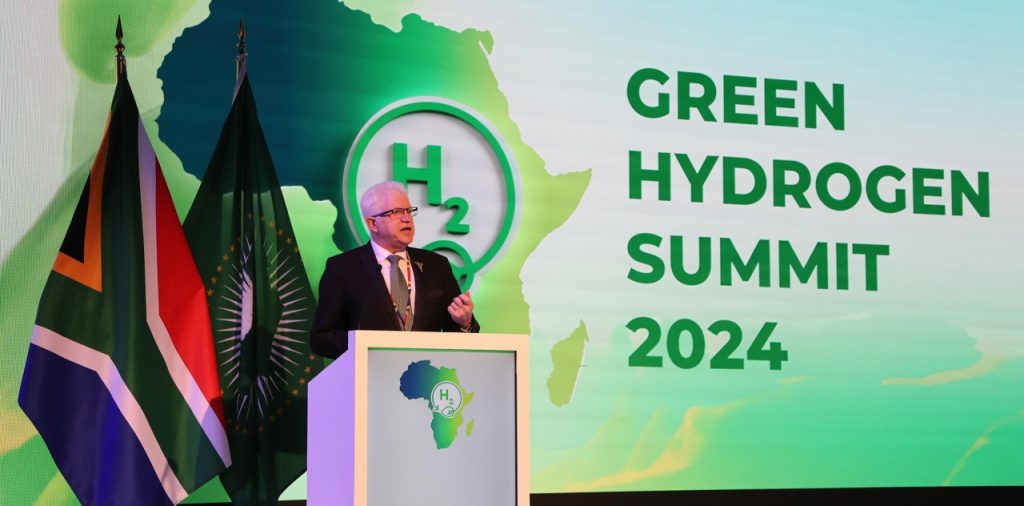
Supporters point to the scale of investment (reported around R47–R50 billion), potential jobs, and South Africa’s role in supplying green fuels to global markets. Opponents counter that the environmental and social costs are too high for a small West Coast town, and that the benefits may largely flow overseas.
The project remains in the environmental assessment phase. Community organisations continue to prepare formal objections and independent studies. For now, Hopefield finds itself at the centre of a larger national debate about how green industrial ambition is balanced against local landscapes, water resources, and genuine public participation.


