In De Doorns the harvest does not wait for a speech. Cartons move. Hands work the rows. A truck leaves before the heat sits on the Hex River Valley. That is the picture Western Cape agriculture minister Dr Ivan Meyer walked into late last month at Siyazama Klipland Boerdery — an emerging table-grape farm that has more than doubled its pack-out in five seasons.
The numbers are plain. In 2021 the farm packed about 68 443 cartons. In 2025 it reached 150 000. This season it passed 164 000. The land is 43 hectares. Only 23.71 hectares are under vine so far. The plan is to plant the rest. Shareholder Alec Abrahams said the people doing the work already knew this valley. Parents worked these farms. Now the same skills sit on the ownership side. The farm carries 25 permanent jobs and about 120 seasonal posts — 145 pay packets in a town that lives on grapes.
The lift did not come from hope alone. The Western Cape department of agriculture’s Comprehensive Agricultural Support Programme, implemented with Casidra, put about R2 million into the enterprise. A 6.8-ton truck arrived to move people, inputs and packed fruit. Irrigation was upgraded and tied to a remote management app so water is used with more care in a valley that never has water to waste. Meyer’s line was simple: invest in emerging farmers and you invest in livelihoods, not only in poles and drip line.
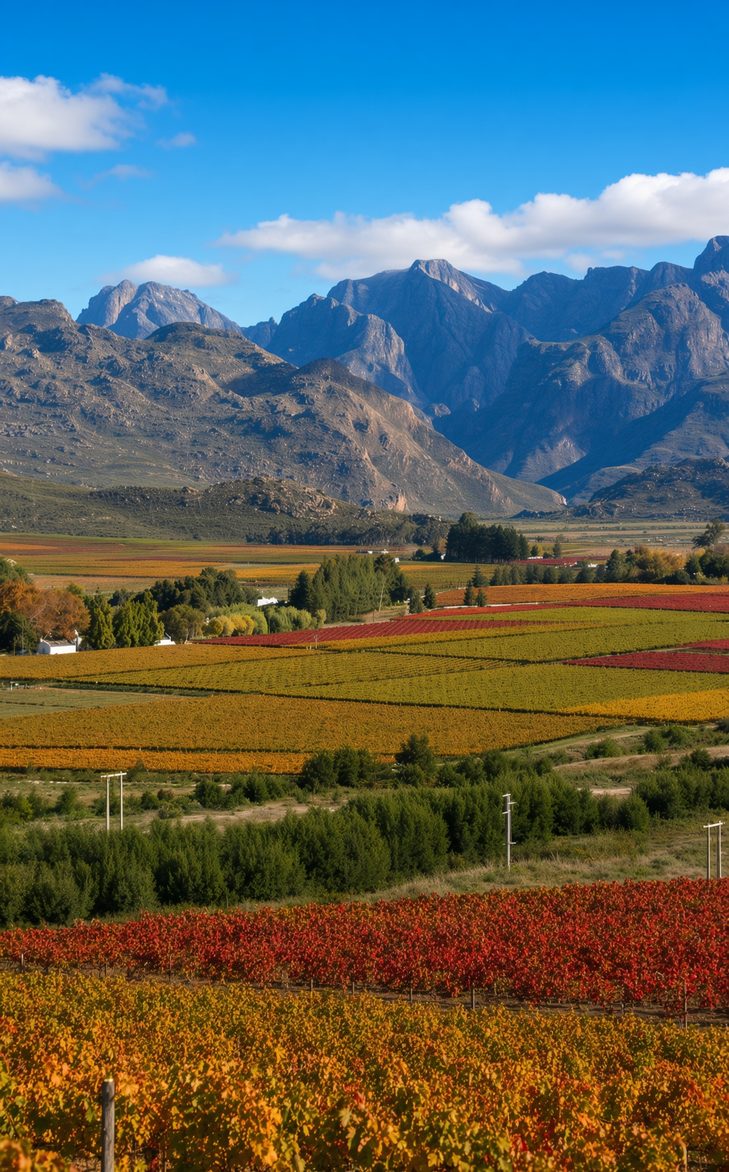
Table grapes and wine grapes are cousins, not twins. Siyazama packs fresh fruit for the carton trade. The wine industry crushes for bottle and bulk. Both drink from the same Western Cape story — water, labour, export timing, and whether a small farm can stay on the land when costs rise. National table-grape estimates for the last full season sat near 79 million cartons, with the Western Cape still carrying the bulk of that crop. EU and UK buyers still take most of the exported fruit. New market work is under way, including the Philippines.
On the wine side the 2026 harvest came in at about 1.37 million tonnes, up roughly 7.4% on 2025 and the biggest crop since 2022. Vinpro called the season technically hard: a wet winter, a dry growing stretch, February rain that brought disease pressure, then March heat that hurried ripening. Quality looks strong. Volume is better. Money is still tight. About 60% of South African wine is drunk at home. The rest goes to more than 120 countries and earns around R10 billion a year. Packaged exports have held up better than bulk. That shift is not new to the Breedekloof. Cellars such as Du Toitskloof in Rawsonville spent decades on tank wine before building a bottled range that now sits on ordinary shop shelves. The industry wants that same move at scale — value in the bottle, not a race to the cheapest tanker.


