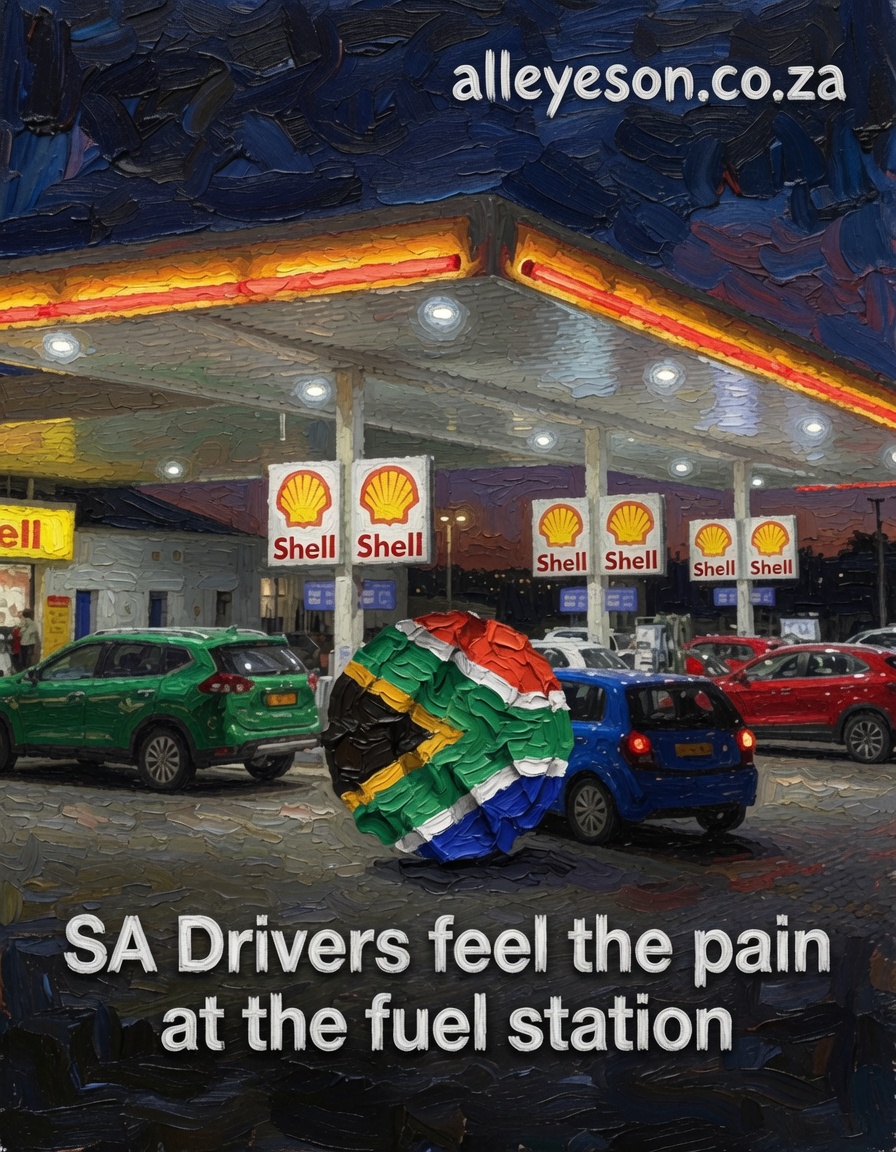
Picture this: it’s a crisp July 2026 morning, and as you head out for the daily commute or queue at the local spaza for essentials, the latest news update on your phone brings a familiar unease — another spike in fuel prices triggered by turmoil far away. For many South African families already navigating tight budgets, these distant conflicts feel anything but remote.
Right now, the United States and Iran are locked in a tense battle for control of the Strait of Hormuz, the critical waterway through which about one-fifth of the world’s oil and LNG supplies pass. A fragile June peace deal is faltering amid fresh strikes and counter-strikes, disrupting shipping routes and sending global energy prices higher.
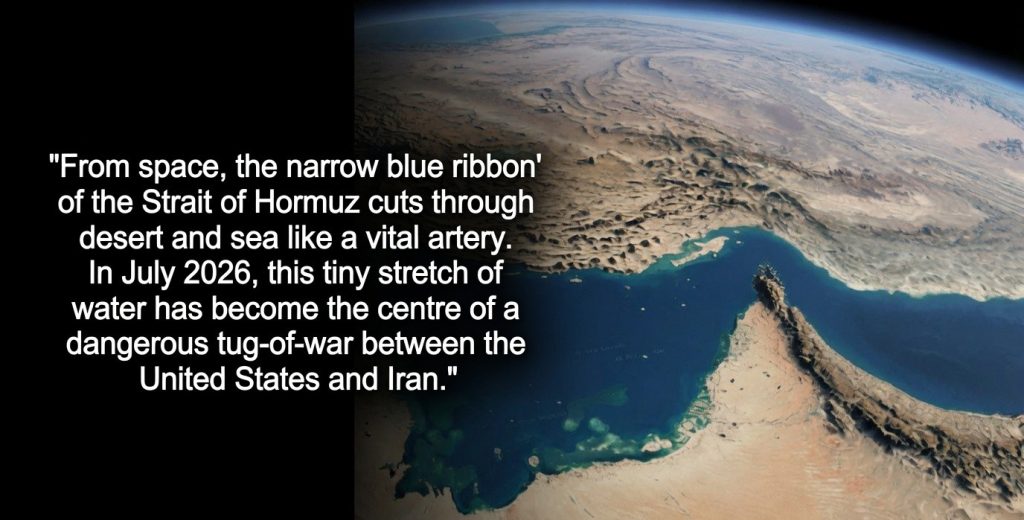
For ordinary South Africans, this escalation lands heavily. Commuters, small business owners, and households stretching every rand watch as petrol and diesel costs climb once more, pushing up the price of transport, groceries, and daily essentials. What unfolds in those narrow waters thousands of kilometres away directly shapes the cost of living here at home.
The interim memorandum of understanding signed in mid-June had offered a glimmer of hope, reopening the strait after earlier blockades with a 60-day toll-free period for safe passage. Yet vague language around Iran’s role in “making arrangements” for shipping has sparked conflicting interpretations. Iran asserts its sovereign rights and has pushed for service fees and specific routes, while the US demands unrestricted freedom of navigation. Crisisgroup
Recent days have brought renewed violence: Iranian attacks on commercial vessels, US retaliatory strikes on coastal targets, and sharp exchanges that have sharply reduced traffic through the strait. Oil prices have surged as a result, amplifying pressure on energy-importing nations like South Africa. Internazionale
This is far more than geopolitical manoeuvring. For a country reliant on imported oil, every spike ripples through the economy — higher costs for logistics, farming, and manufacturing that eventually reach family tables and monthly budgets. It’s the single parent recalculating expenses, the taxi driver absorbing extra fuel costs, and the small trader passing on increases that touch us all.
Experts warn that prolonged instability in this vital chokepoint could worsen global inflation and energy security challenges. Mediation efforts, including involvement from Oman, continue, but deep disagreements persist over long-term management of the strait. Reuters
The human stories cut deep — sailors navigating dangerous waters under threat, families in the region living with uncertainty, and here in South Africa, ordinary people adjusting once again to forces beyond their control. Our own national journey of resilience and advocacy for peaceful resolutions gives us a unique lens on these conflicts.

As July 2026 unfolds, South Africans follow developments with a mix of concern and hope. We understand deeply how interconnected our world has become — events in the Gulf can influence everything from the morning commute to the affordability of a weekend braai. The shared desire remains for diplomacy to prevail and stability to return.
For now, the struggle over the Strait of Hormuz stands as a powerful reminder of global interdependence. Peace far away safeguards the simple rhythms of daily life here. As talks resume, many hold onto the belief that cooler heads and renewed dialogue can ease the burden on households across South Africa.