South Africa has a real opportunity to leapfrog into next-generation battery technology thanks to a major breakthrough in sodium metal batteries.
Researchers in China recently developed a sodium metal battery that can fully charge in just four minutes and still retain excellent capacity after thousands of cycles. This is exactly the kind of fast-response storage our grid desperately needs.
What makes this development particularly interesting for South Africa is our abundant salt resources. We already produce hundreds of thousands of tons of salt every year from seawater, coastal pans, and inland salt lakes. Sodium extracted from this salt could form the core of locally made batteries, giving us a massive raw material advantage over lithium, which we import entirely.
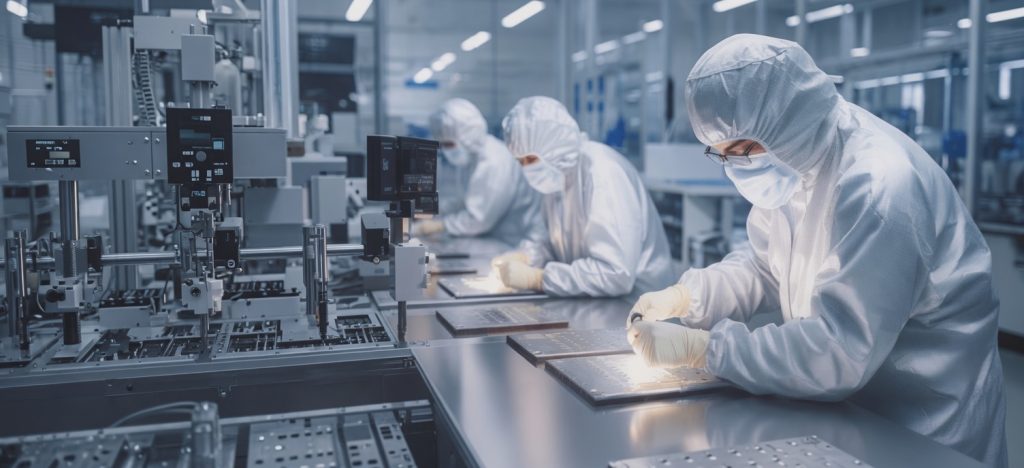
The new battery uses an innovative dual interlocked mediator gel electrolyte. This special formulation prevents dangerous dendrite growth on the sodium anode while enabling ultra-fast charging and long-term stability. In testing, the cells maintained strong performance for 6,000 hours and kept 90% capacity after 2,000 cycles.
This technology aligns perfectly with South Africa’s energy goals. The Department of Mineral Resources and Energy has set a target of 8.5 gigawatts of battery storage by 2039 to support our growing renewable energy sector and reduce load shedding. The ability to rapidly charge during peak solar hours and discharge quickly during evening demand spikes would be a game-changer for our grid.
The CSIR is already actively developing sodium-based battery technology, working with partners from Imperial College London and Coventry University. They’re focusing on using local vanadium and agricultural biomass waste to create sustainable electrode materials. While manufacturing pure sodium metal batteries will require significant investment in ultra-dry production facilities and specialised skills, the opportunity is substantial. Local production could reduce our dependence on imported batteries, create jobs in the green economy, and help build a complete domestic supply chain from salt extraction through to final assembly.
With electricity prices continuing to rise and renewable generation expanding rapidly, affordable, fast-charging storage solutions like this could transform both our national grid and private solar installations across the country.
Sodium metal technology might still be a few years from widespread commercial deployment, but South Africa is well-positioned to play a meaningful role in its development and manufacturing. The combination of our raw materials, existing chemical processing expertise, and growing storage demand creates a compelling case for investment in this space.