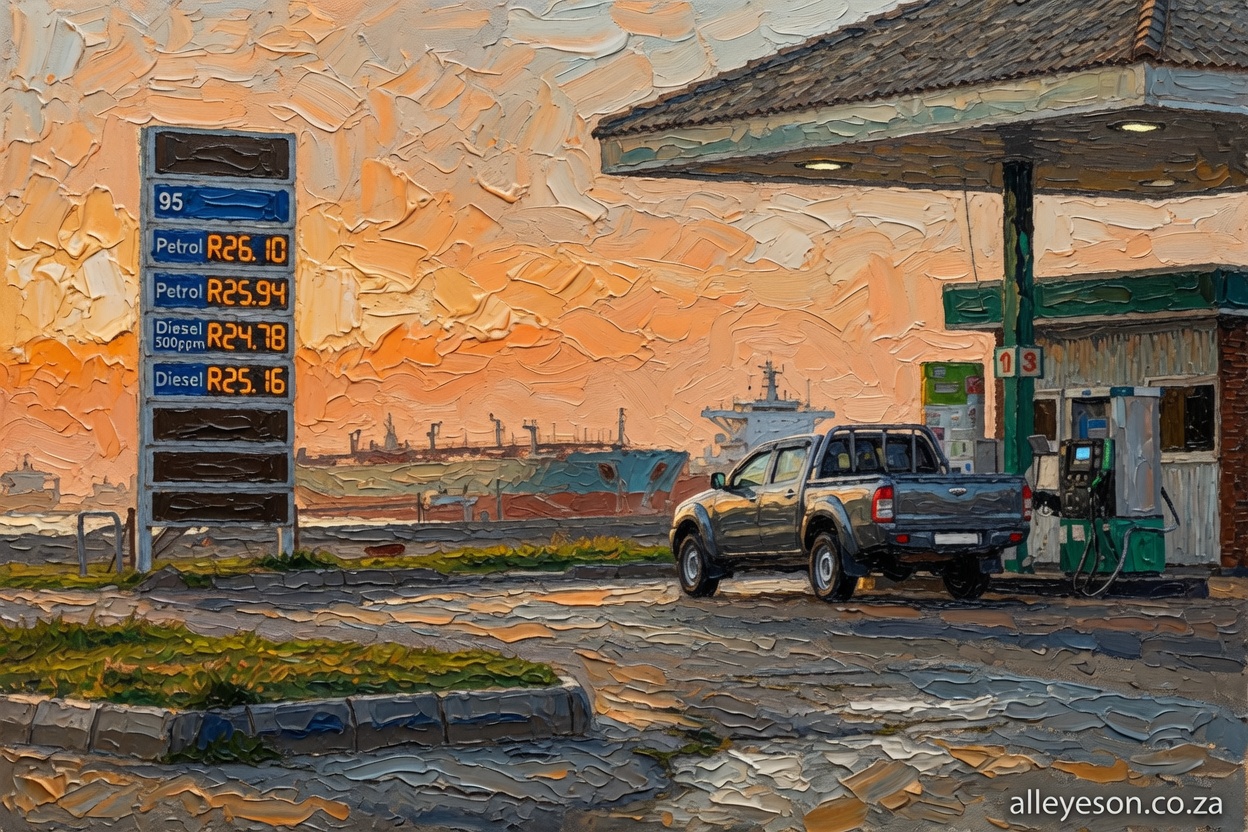

Picture it: Saturday morning in Mitchells Plain or Bloemfontein. You’re queuing for bread and milk, then swing past the garage “just to check”. For weeks that price board has only gone one way — up. Today, though, the numbers haven’t jumped. There’s a quiet sigh of relief. And it starts 8,000 km away, in a narrow stretch of ocean most of us only hear about on the news.
The reason is the Strait of Hormuz. After a tense midweek spike that pushed Brent crude above $100 a barrel, prices slipped back on Monday as the United States and Iran paused strikes over the weekend and ships began moving through the waterway again.
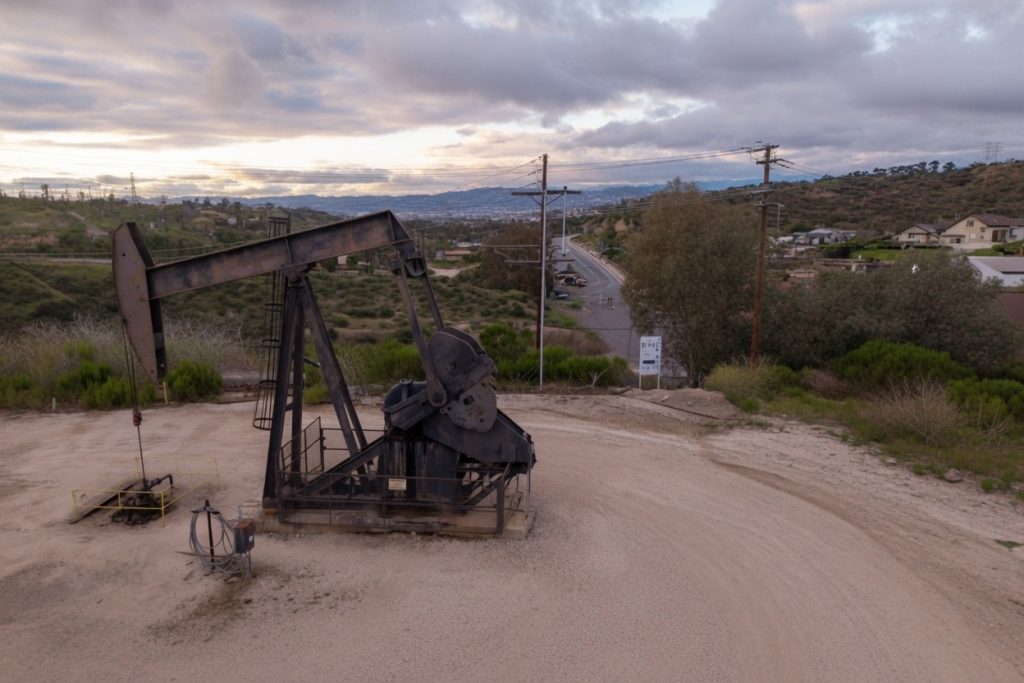
Brent fell 5.05% to $91.89 a barrel, while US West Texas Intermediate dropped 5.23% to $84.64. Both hit their lowest levels in nearly a week, giving back some of the sharp gains built up over three weeks of conflict-driven buying. It wasn’t about suddenly pumping more oil. It was about fear coming down. With diplomacy back on the table, tankers that had been stuck or delayed started exiting the Gulf. The change in sentiment was clear: markets that had been pricing in a prolonged crisis began to ease.
That shift lands directly on South African streets. When the Strait of Hormuz becomes unstable, we feel it in Durban, Johannesburg, Polokwane and Gqeberha. A large share of the oil that eventually becomes our petrol and diesel passes through that chokepoint. When risk premiums rise, so do our fuel prices. When they fall, the pressure eases, even if the relief is only partial.
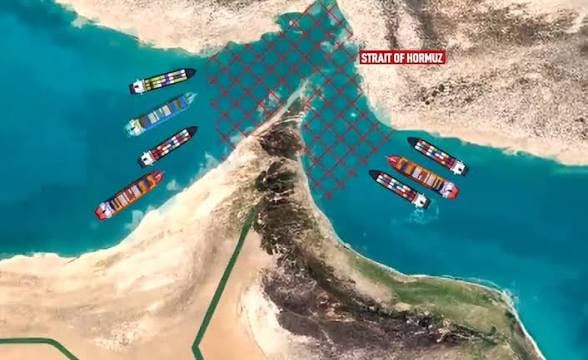
The situation is still far from normal. Shipping data showed fewer than 10 commodity vessels passed through the strait over the weekend, and many operators remain cautious about sending empty ships back into the area. Traffic through the Bab el-Mandeb strait in the Red Sea also dipped after recent attacks on Saudi installations.
Longer-term forecasts offer some steadiness. Energy consultancy Wood Mackenzie expects Brent to average around $78 a barrel in 2027, and potentially test $70 by the end of that year if the strait stays open and supply recovers. Analysts are also watching for a possible surplus in global markets next year if OPEC+ does not cut production further.
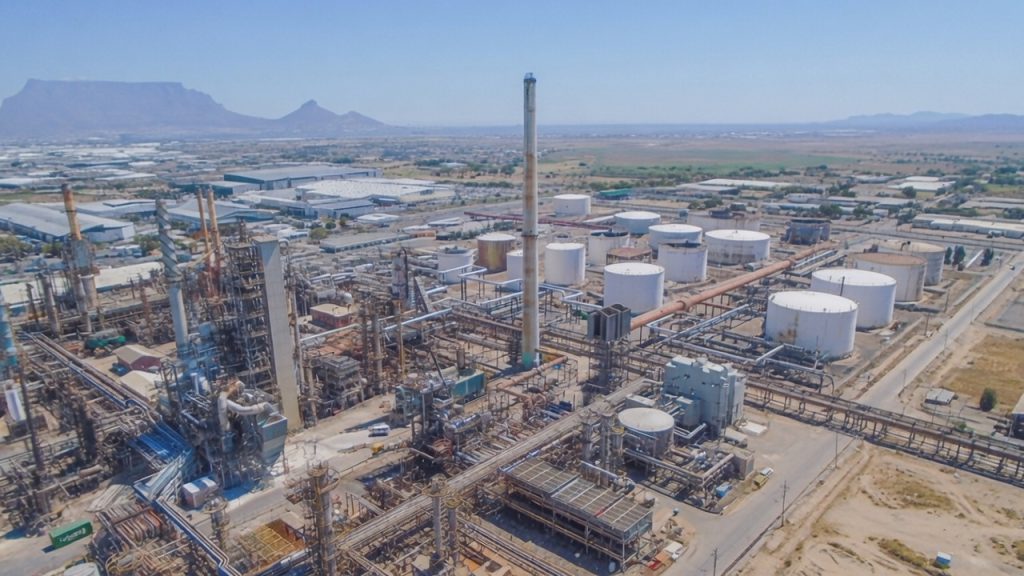
For South African households, this means a bit of space to breathe. No one is promising cheaper petrol next week. The full effect on local pump prices takes time to filter through, and other factors, the rand, taxes, and logistics, still play their part. But the panic premium that had been baked into oil prices is starting to come out, and that gives the Reserve Bank and National Treasury a little more room.
In a country where transport costs feed into the price of almost everything, even a modest easing in global oil markets is felt at the till. For now, the board at the garage is not climbing. That alone is something worth noting.