Picture this: it’s a bustling Saturday in July 2026, and families across Cape Town are heading to their favourite mall for a day of shopping, dining, and catching up with friends — only to find the doors shuttered and the lights out because thieves have once again struck at the heart of our electricity infrastructure.
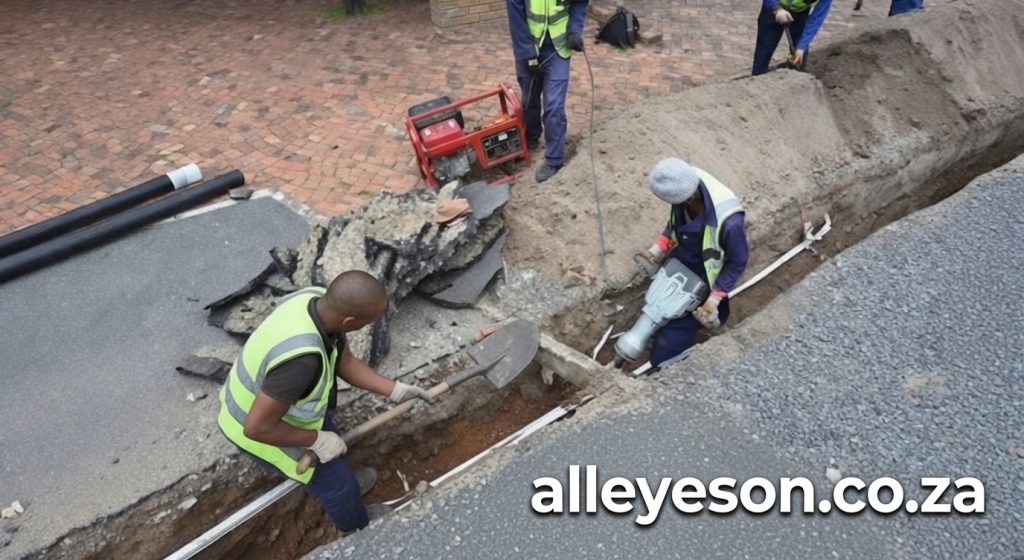
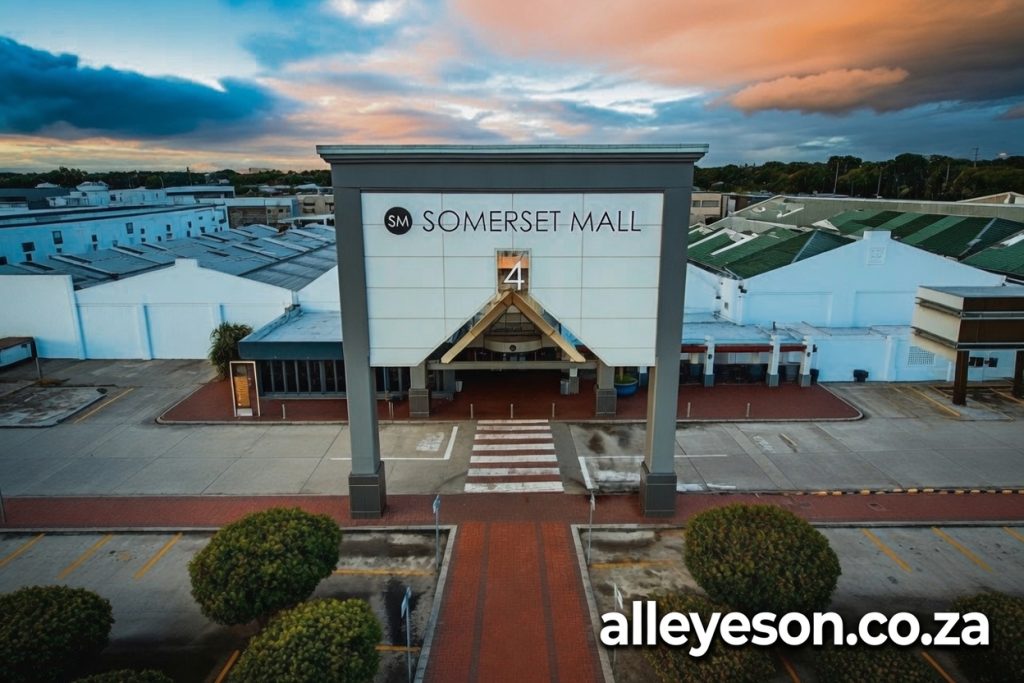
That frustrating reality hit Somerset Mall hard this week. A major Cape Town shopping destination has been without reliable power for several days after high-voltage lines supplying the centre were stolen, according to News24 reporting. The incident highlights the relentless battle against cable theft that continues to disrupt lives and businesses across the city.
For shoppers, retailers, and workers who rely on the mall daily, the outage has been more than an inconvenience. Refrigeration units in food stores have failed, ATMs have gone offline, and planned events have been cancelled. Many businesses have had to close temporarily or operate with limited capacity using costly generators, while customers are forced to change their routines and head elsewhere.
Cable theft remains one of South Africa’s most persistent infrastructure crimes. In Cape Town alone, the City has spent tens of millions of rands in recent years repairing damage from theft and vandalism. As officials have repeatedly noted, this is money diverted from essential maintenance and new projects that could improve service delivery for residents.
The Somerset Mall incident is part of a broader pattern. High-voltage lines, copper cables, and other valuable metals are prime targets for syndicates that sell the material on the black market. The theft not only causes immediate blackouts but also poses serious safety risks to repair crews and the public. City of Cape Town teams are working around the clock to restore supply, but locating and replacing damaged high-voltage infrastructure in a complex urban environment takes time.
This latest event comes amid ongoing efforts by authorities to combat the scourge. The City has intensified patrols, conducted scrapyard inspections, replaced vulnerable copper with alternative materials, and piloted new anti-theft technologies. Despite arrests and recoveries, the problem persists, driven by high metal prices and organised criminal networks.
For ordinary South Africans, the human cost is real. Small business owners at the mall worry about lost income and damaged stock. Employees face uncertain shifts and reduced hours. Families looking for a safe, air-conditioned space to escape the winter chill find their plans disrupted. In a country where load-shedding memories are still fresh, such avoidable outages feel particularly painful.
The ripple effects extend beyond the mall. Nearby areas may experience knock-on disruptions, while the economic impact on the local retail sector — already navigating tough trading conditions — adds to broader cost-of-living pressures. Reliable electricity is the backbone of modern commerce, and repeated failures erode confidence in our infrastructure.
Experts and city officials stress that tackling cable theft requires a multi-pronged approach: stronger law enforcement, community vigilance, harsher penalties for scrap dealers handling stolen goods, and long-term investment in more secure infrastructure like underground cabling. Public reporting of suspicious activity remains crucial.
As July 2026 unfolds, the Somerset Mall outage serves as a stark reminder of the daily battles many communities face. While restoration work continues, the incident underscores the urgent need for sustained action against infrastructure crime. South Africans deserve better — reliable power that allows businesses to thrive and families to go about their lives without constant disruption.
The hope is that lessons from this event will accelerate solutions. In the meantime, our thoughts are with the affected retailers, workers, and shoppers. Cape Town’s resilience has been tested before, and the collective determination to protect public assets remains strong. Safe, stable electricity isn’t a luxury — it’s essential for building the future we all want to see.


