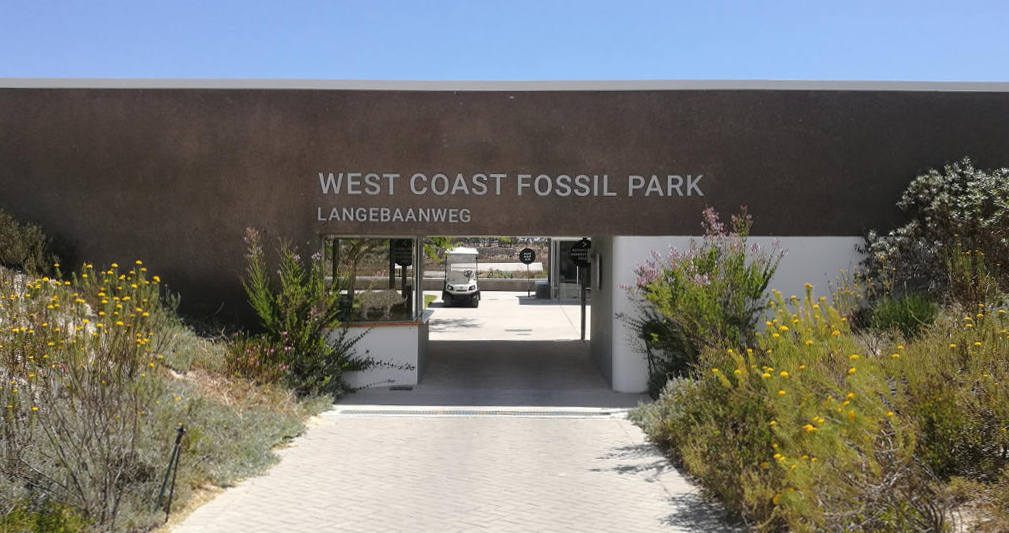

ust a short drive inland from the turquoise waters of Langebaan Lagoon, the landscape hides one of the world’s richest fossil treasures. The West Coast Fossil Park, near Langebaanweg in South Africa’s Western Cape, offers a fascinating glimpse into a prehistoric world that looked nothing like today’s arid coast. Here, visitors can step back to a time when the region was lush, subtropical, and teeming with exotic animals.
How the Fossils Were Discovered
The story begins with phosphate mining. Operations started in 1943 at Baard’s Quarry on Langeberg Farm, where workers dug for fertilizer. In 1958, a mine employee named I.S. Brown noticed unusual bones mixed with the rock. Scientists from the University of Cape Town and the South African Museum (now Iziko) visited and identified key finds: an ankle bone from a short-necked giraffe (sivathere) and a tooth from an extinct elephant relative.
Mining continued into the 1960s at the Varswater “C” and “E” Quarries, accidentally revealing (and sometimes destroying) thousands of fossils. When operations ceased in 1993, the site was transformed into a public heritage park. It was declared a National Monument in 1996 and later a Provincial Heritage Site, protecting the entire 700-hectare area. Today, the park partners with Iziko Museums, and controlled excavations continue.
A Lost World: What Lived Here 5.2 Million Years Ago
The fossils date to the late Miocene/early Pliocene, around 5.2 million years ago. At that time, higher sea levels created an estuary environment with riverine forests, wooded savannas, and coastal wetlands. The climate was warmer and wetter than today’s dry West Coast.
Over 300 animal species have been identified — possibly the greatest diversity of 5-million-year-old fossils anywhere on Earth. Highlights include:
- African bear (Agriotherium africanum) — the first bear ever found in Africa.
- Sabre-toothed cats — powerful predators with long, curved fangs.
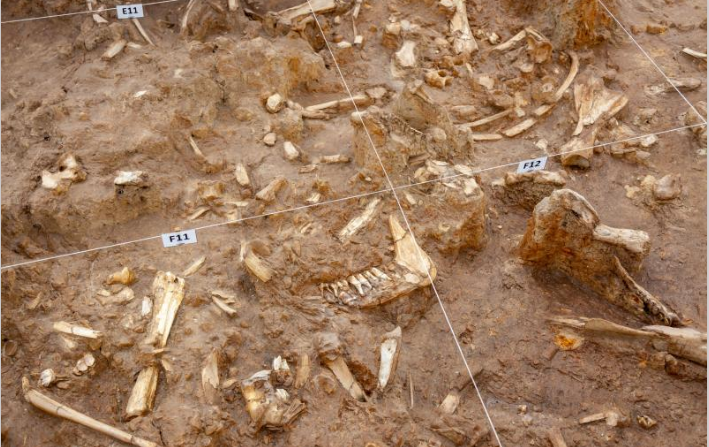
- Short-necked giraffes (sivatheres) — over 500 individuals found; these stocky, horned animals stood over two metres at the shoulder.
- Giant pigs — massive species with huge skulls.
- Three-toed horses, hunting hyenas, wolverine-like mustelids, and even a wolf-sized otter.
- Elephants and their relatives, rhinos, and a rich variety of birds, marine, and freshwater animals.
Many of these creatures are now extinct, and some species are found nowhere else. The site also boasts one of the richest fossil bird assemblages older than 2 million years.
The fossils are exceptionally well preserved because they were rapidly buried in phosphate-rich sediments near an ancient river mouth.
Visiting the West Coast Fossil Park
The park is about 150 km (roughly 1.5–2 hours’ drive) north of Cape Town, close to Langebaan and the West Coast National Park. It makes an ideal half- or full-day trip when exploring the region.
What to expect:
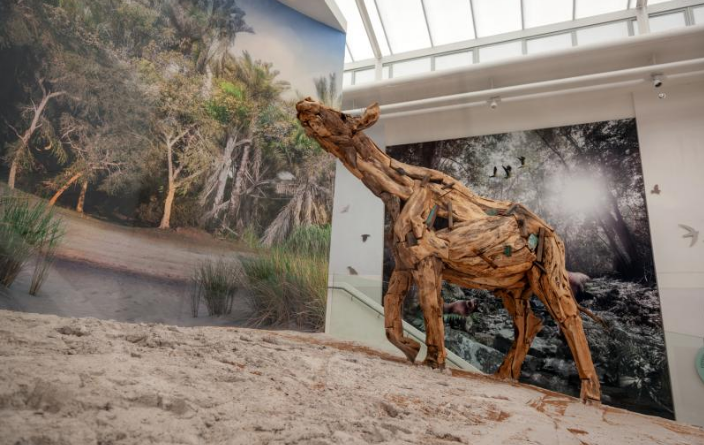
- A modern Visitor Centre with a new exhibition hall that explains how the landscape and climate have changed over millions of years.
- An open dig site where you can see fossils still in the ground (in situ), including concentrations of sivathere bones.
- Guided tours (about 40–60 minutes) that bring the ancient environment to life. Tours run multiple times daily.
- A small museum displaying fossils and interpretive displays.
- On-site restaurant (run by the West Coast Chef School) for meals and coffee, plus a shop.
- Optional walking trails or cycling (separate small fee).
Current opening hours (as of 2026):
- Tuesday to Sunday: 09:00–16:00 (weekdays) or 09:00–15:00 (weekends).
- Closed Mondays, Christmas Day, New Year’s Day, and Good Friday.
Tickets (no general entrance fee; pay for chosen activities):
- Tour + Museum: Adults R170, Pensioners R130, Children under 15 R100.
- Museum only or Tour only also available at lower rates.
- Free for children under 3.
Wear comfortable shoes, bring sunscreen and a hat, and allow 2–3 hours for a full experience. Guided tours are highly recommended for the best understanding