Imagine driving north from Cape Town, the busy city fading behind you. After about 120 kilometres of rolling fynbos and open sky, the road curves and suddenly you see it: the shimmering Langebaan Lagoon. Turquoise water stretches 17 kilometres long and up to four kilometres wide, framed by white sandy beaches that look more like the Caribbean than the Atlantic. This is Langebaan – the Jewel of the West Coast – a place where ancient history meets laid-back coastal life.
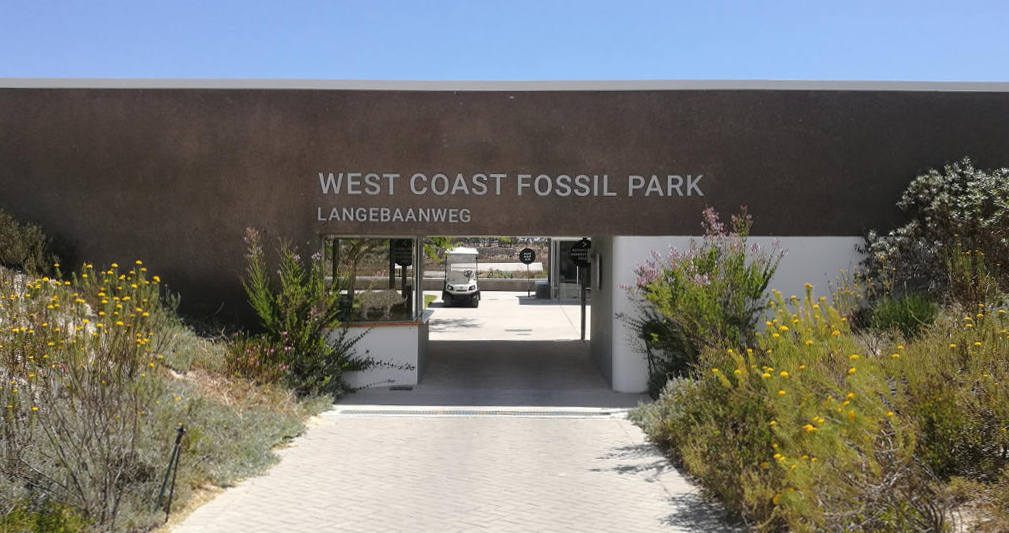
The story of Langebaan begins millions of years ago. At the West Coast Fossil Park, just a short drive inland, scientists have uncovered one of the richest fossil sites on Earth. Five million years ago, short-necked giraffes, sabre-tooth cats and giant pigs roamed riverine forests here. Phosphate mining in the 20th century revealed these treasures, now on display with guided tours that bring the prehistoric world to life. Even earlier, indigenous Khoikhoi people gathered along these shores for meetings and celebrations.

European explorers arrived in the late 1400s. Portuguese and Dutch sailors noted the sheltered bay. By the late 1800s, Langebaan had become a quiet fishing village, its people living off the lagoon’s rich marine life. In 1922 the town was officially founded and operated as a whaling station until the 1960s. Today those industrial days are long gone. The lagoon, unique because no river flows into it, was declared a Ramsar Wetland of international importance. In 1985 it became the heart of the West Coast National Park, protecting salt marshes, dunes and islands in Saldanha Bay.
Walk along Langebaan’s main beach on a sunny morning and you’ll understand why locals and visitors call it paradise. The water is calm and warm enough for swimming – a rare treat on South Africa’s cold west coast. Reliable winds make it a world-class spot for kitesurfing, windsurfing and kayaking. Families picnic at Kraalbaai inside the national park, where wooden steps lead down to sheltered coves and rock pools teeming with life. Birdwatchers flock here too: over 250 species visit, including flamingos that turn the shallows pink and thousands of migratory waders that fly all the way from Siberia each summer.

In spring (August to September), the park explodes with wildflowers – carpets of colour that draw photographers from around the country. Year-round, the moderate climate delivers almost constant sunshine, cool sea breezes and long, golden days. Fresh seafood is never far away; restaurants like Strandloper serve line-caught fish and oysters straight from the bay.
Langebaan feels like a secret that South Africans have kept to themselves. It is close enough to Cape Town for a day trip yet far enough to leave the crowds behind. Whether you’re fossil hunting, chasing the perfect kite-surf wave or simply watching the sunset paint the lagoon gold, this small town tells a story as deep as its ancient fossils and as refreshing as its clear waters.
Come for a weekend, and you’ll leave planning your next visit. Langebaan doesn’t shout for attention – it simply waits, beautiful and unchanged, ready to welcome the next chapter in its long, quiet story.