


© Danie Bester
Picture this: turquoise waves lapping against pristine beaches, luxury homes perched on the dunes, and St Francis Bay’s famous golf courses and sailing scene drawing semigrants and holidaymakers from across South Africa. Now imagine a massive 5,200 MW nuclear power station rising just next door at Thyspunt, between Oyster Bay and Cape St Francis.That’s the reality South Africa’s Electricity Minister Kgosientsho Ramokgopa is doubling down on. In mid-May 2026, he made it clear: the government’s nuclear push isn’t about politics — it’s about engineering realities and keeping the lights on.
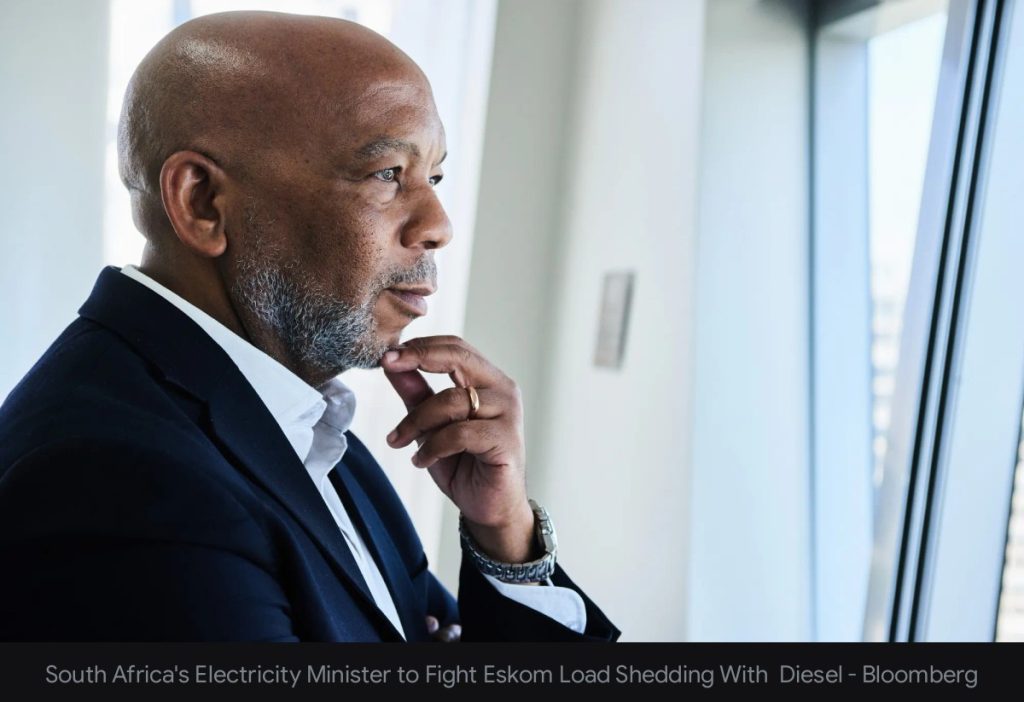
A draft environmental scoping report by WSP Group Africa has flagged Thyspunt as the preferred site for Eskom’s new plant. Why? Proximity to the grid means faster, cheaper connection and less new infrastructure. The full programme aims to add thousands of megawatts of reliable, low-carbon baseload power in the coming years — critical after years of load-shedding scars.
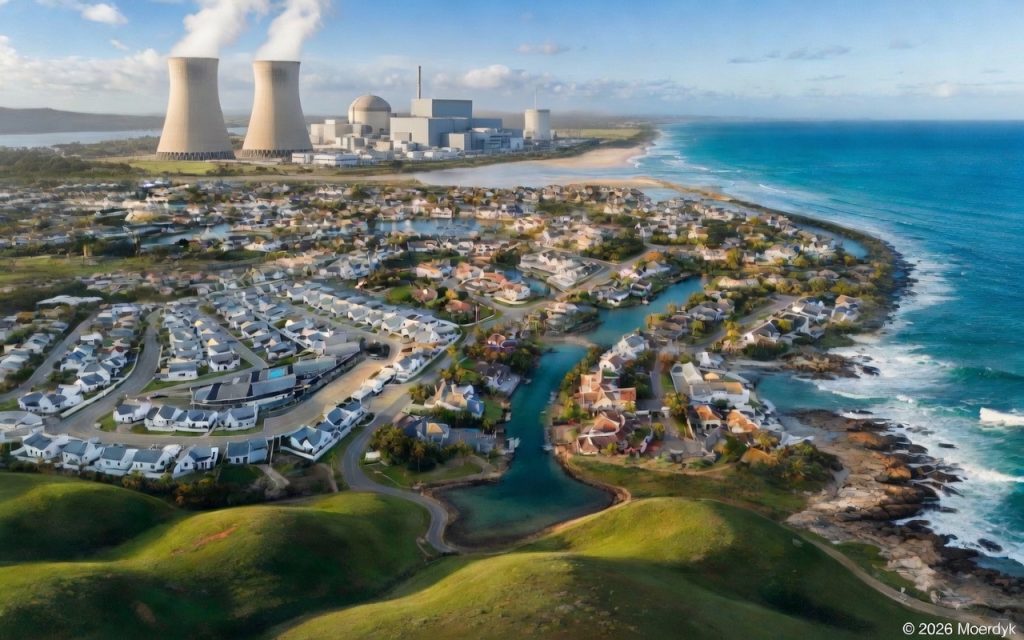
But not everyone’s buying the pitch. Local Pushback and Heritage Clash Residents of this affluent coastal enclave, along with the South African Heritage Resources Agency (SAHRA), are sounding the alarm. The area earned Grade I Cultural Landscape status in January 2025 — one of the highest heritage protections — recognised for its cultural and ecological significance. Opponents, including the Thyspunt Alliance, argue a nuclear facility threatens tourism, property values, biodiversity, and the region’s status as a semigration hotspot.Public meetings in the Kouga area have seen strong opposition. Concerns range from safety and evacuation (one main road out for multiple communities) to long-term environmental impacts on estuaries, marine life, and water systems. Activists like Trudi Malan say consultation has been inadequate and warn of court battles ahead.

Ramokgopa insists decisions must rest with technical experts at Eskom, not NIMBY politics. Past controversies, he says, stemmed from mixing engineering with political drama. Yet for locals watching their million-rand views potentially overshadowed by cooling towers, it feels deeply personal.The Bigger Energy Gamble South Africa desperately needs new capacity. Nuclear offers stable power unlike intermittent renewables, but projects like this come with eye-watering timelines, costs, and risks. Thyspunt was eyed even in apartheid days; today it pits energy security against a lifestyle many moved here to protect.Public comments on the scoping report close 25 May 2026. Whether this becomes another drawn-out legal saga or a landmark step toward energy independence remains to be seen.One thing’s certain: the battle over Thyspunt isn’t just about power plants. It’s about whose backyard gets sacrificed for the national grid — and whether a quiet millionaire’s town can stay that way.
By [Moerdyk/Contributor] for Alleyeson.co.za – West Coast & National Energy Watch


