





On Monday, 8 June 2026, more than 5,000 residents from KwaThema marched to the Springs CBD, bringing parts of the town to a standstill. Led by activist Nkosikhona “Phakel’umthakati” Ndabandaba, the peaceful protest demanded the immediate deportation of undocumented foreign nationals and prioritised jobs for South Africans.
Marchers handed over a memorandum rejecting President Cyril Ramaphosa’s recent five-point immigration plan, which includes bolstering border security and relocating refugee processing centres. Protest leaders made it clear they want stronger, faster action on illegal immigration rather than incremental government measures.“This is a build-up to the 30th of June,” Ndabandaba told the crowd. He emphasised that the date is not an event but a deadline and a national call to action. The movement plans further marches in areas like eThekwini, Pietermaritzburg, and others to mobilise support and sensitise communities. Ndabandaba stressed the protests remain peaceful, urging undocumented foreigners to regularise their papers, respect South African laws, and “fix their attitude” before returning legally if they wish.
The demonstration reflects growing frustration among many South Africans over unemployment, service delivery, and competition for scarce resources. While the march was orderly, it highlights deep tensions in Gauteng and beyond.
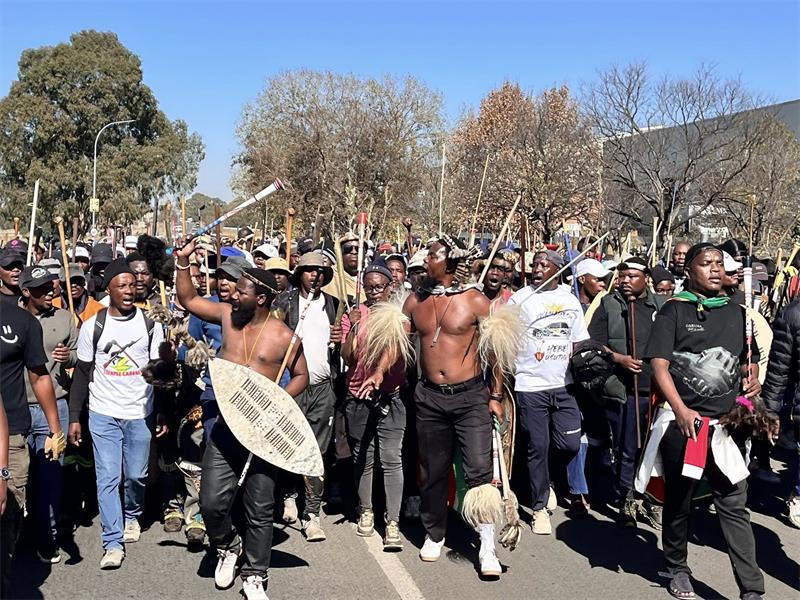
For West Coast communities in places like Saldanha, Vredenburg, and Velddrif — where local jobs in fishing, mining, and tourism are also under pressure — these national developments serve as a reminder of the urgent need for policies that put South Africans first.The KwaThema march forms part of a wider “March and March” initiative. Organisers say they aim to gather up to two million participants in the coming weeks to send a clear message to government and Parliament.
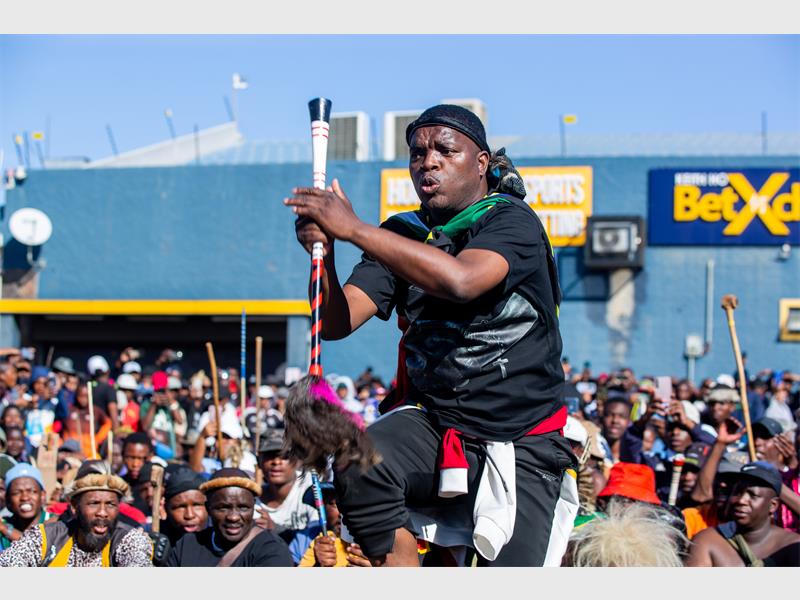
As the 30 June deadline approaches, many South Africans will be watching closely to see how authorities respond.