In another blow to public trust in local government, the suspended head of legal services in the City of Ekurhuleni has been arrested. The development comes amid ongoing efforts to root out alleged corruption and misconduct within the municipality’s administration.
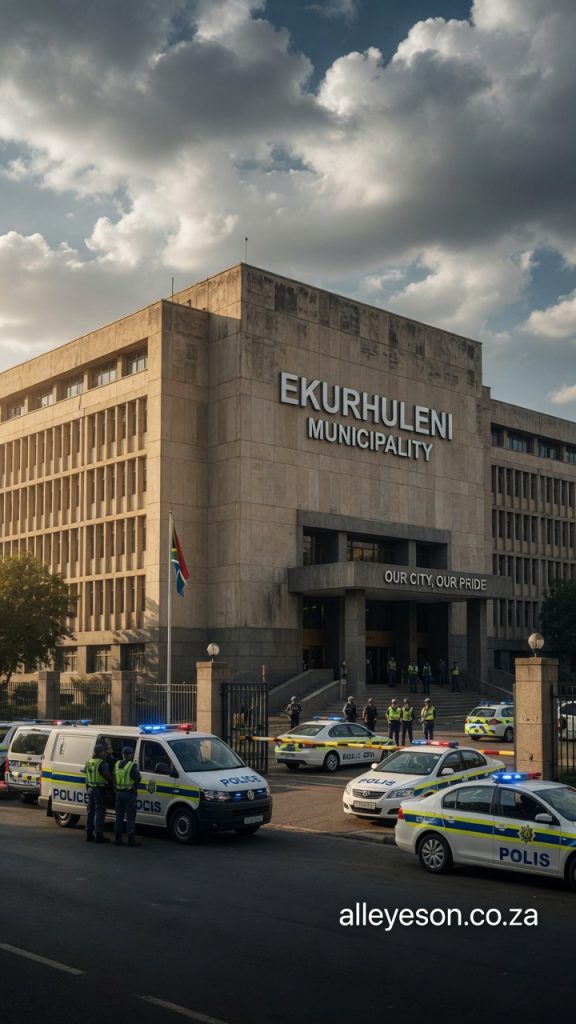
The senior official, who was already on suspension, now faces criminal charges that are still being finalised by authorities. This arrest highlights the deep challenges facing Ekurhuleni, one of Gauteng’s largest metros, where governance failures and allegations of irregular appointments have repeatedly made headlines in recent years.
For ordinary residents of Ekurhuleni — many already struggling with service delivery issues like water shortages, potholes and electricity problems — news of yet another high-level arrest raises fresh questions about accountability and the use of public funds. When those tasked with upholding the law are themselves implicated, it shakes confidence in the entire system.
The City of Ekurhuleni has confirmed the arrest and stated that it is cooperating fully with law enforcement. This case forms part of a broader pattern of investigations into municipal officials across the country, where legal departments are sometimes accused of enabling irregular contracts or protecting politically connected individuals.
While the details of the specific charges are still emerging, the arrest sends a strong signal that suspension is no longer a safe shield. Authorities appear to be moving from internal disciplinary processes to criminal prosecution in an attempt to restore credibility.
For many South Africans watching these stories unfold, the frustration is real. Year after year, reports of corruption in local government continue, while communities bear the daily consequences through poor service delivery and higher rates.
Ekurhuleni residents deserve better — transparent governance, competent administration, and officials who put public interest first. This latest arrest may be one small step toward accountability, but real change will only come when such incidents become the exception rather than a recurring feature of municipal life.


