On the West Coast a school principal still drives into town with a memory stick because the signal dies before the homework can upload. In the Northern Cape a clinic sister still writes patient notes by hand and waits for the next trip to the nearest town that has working data. The satellites that could change both of those realities are already passing overhead every few minutes. The offer to put them to work is already on the table. The only thing missing is permission.
SpaceX has placed R500 million on the table for free connectivity to 5 000 rural schools. That is not a press-release number. It is a concrete commitment offered as part of an equity-equivalent investment approach — the same route other global technology companies have used in South Africa for years. The capacity is proven. More than 12 million customers already use the network in other countries. Neighbouring states already receive the service. South African learners and clinic staff remain locked out by a single statutory requirement: individual licence holders must be at least 30 percent owned by historically disadvantaged groups, and SpaceX will not sell that stake.
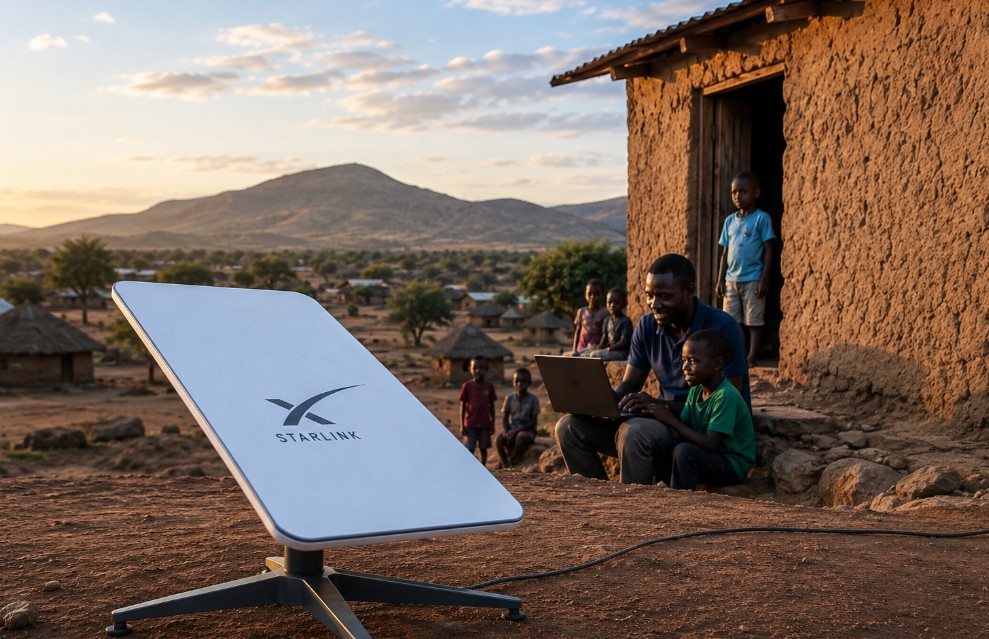
Minister Solly Malatsi has said clearly that low-Earth orbit services form part of the country’s digital future. He has also said the law must apply equally to every entrant and that ICASA, not the ministry, decides licences. Those statements are correct. They do not, however, move the R500 million from the table into the classrooms. Until Parliament amends the Electronic Communications Act or ICASA is given clear authority to recognise equity-equivalent programmes, the free service for those 5 000 schools stays theoretical.
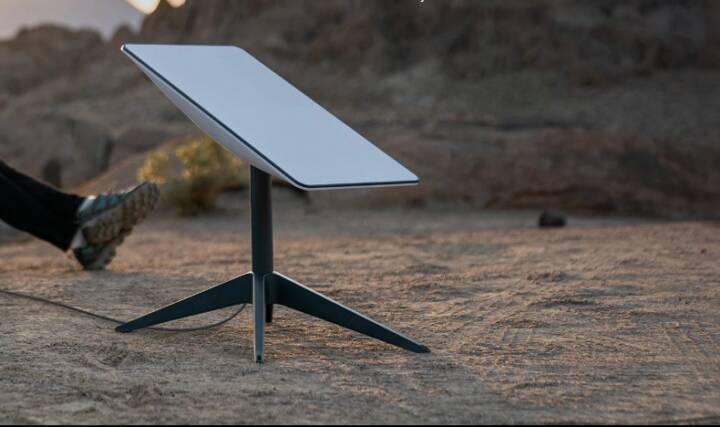
The practical cost is easy to measure. Every month that passes is another month of weak or absent connectivity for the exact communities the policy claims to prioritise. A farmer outside Velddrif still drives to town to send a single file. A skipper leaving Saldanha still relies on radio and luck. A teacher in a remote Northern Cape school still cannot run a proper online lesson when the weather turns or the mobile network drops. The technology that solves those problems is already flying. The money to deliver it to the schools that need it most has already been offered. The only remaining barrier is the ownership rule written for a different era of telecommunications.
SpaceX walked into the ICASA hearings this week and said, in the room, what a workable licensing regime looks like. It has not filed a formal licence application because the current rules make that application a dead letter. That is not hesitation about the product. It is refusal to pretend a structure that requires selling control is a structure it can accept. Other operators have chosen different routes. Amazon Leo is entering through a local partner that already holds the necessary licences. That path is legitimate. It does not cancel the fact that a direct, large-scale free offer to 5 000 schools remains blocked.
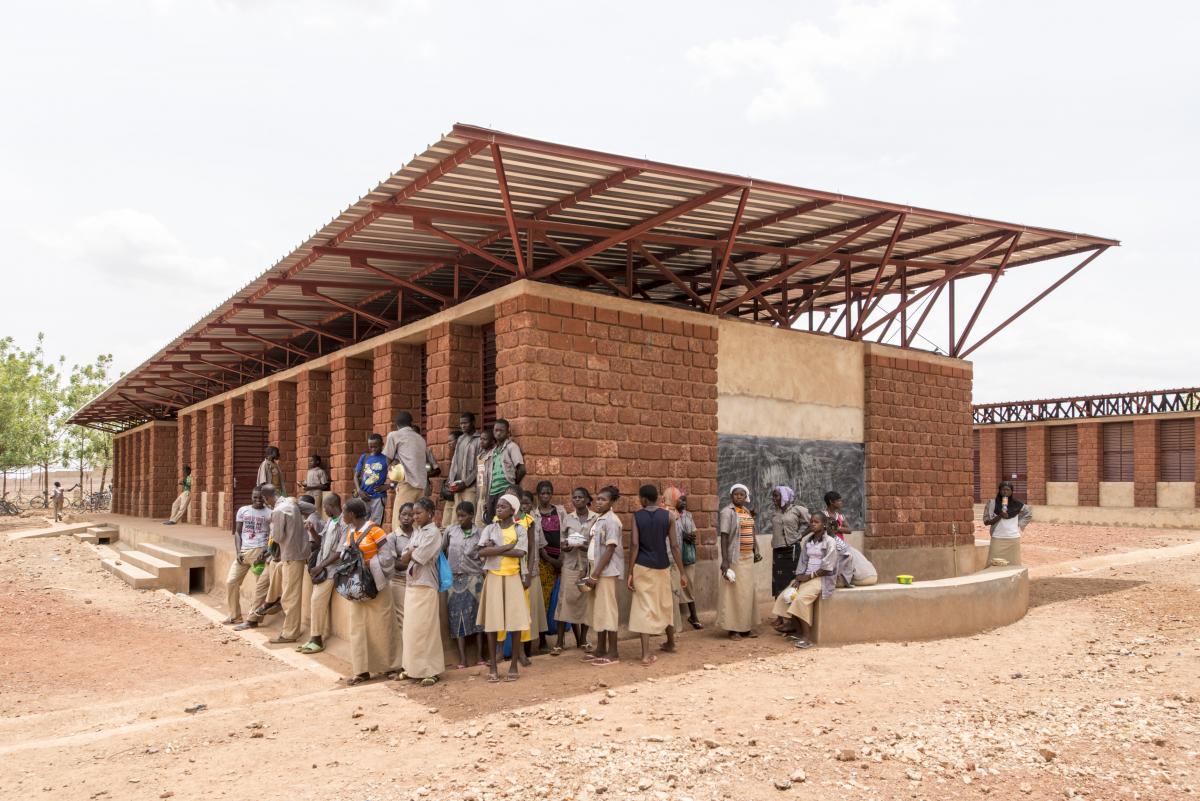
The West Coast and the Northern Cape do not need another round of process language. They need the signal. The R500 million is real. The 5 000 schools are real. The satellites are real. Until the ownership rule is adjusted or a clear equity-equivalent path is opened, those schools will keep waiting while the same network lights up countries next door.


