There is a stretch of coastline on the Eastern Cape where the Indian Ocean meets the land with a particular kind of force. The Wild Coast does not invite easy compromise. Its cliffs, its beaches, and the communities who have lived beside it for generations have long carried a quiet insistence that some places should not be treated as mere lines on an exploration map. On Friday that insistence received its strongest legal confirmation yet.
South Africa’s Constitutional Court ruled that Shell and its partner Impact Africa may not renew or continue an offshore exploration right that was first granted more than a decade ago. The decision ends a five-year legal battle that began when communities and environmental organisations challenged the way the original right had been awarded. At the heart of the case was a simple but profound question: had the people who live along that coast been properly consulted before the state handed over the right to search for oil and gas beneath their waters?
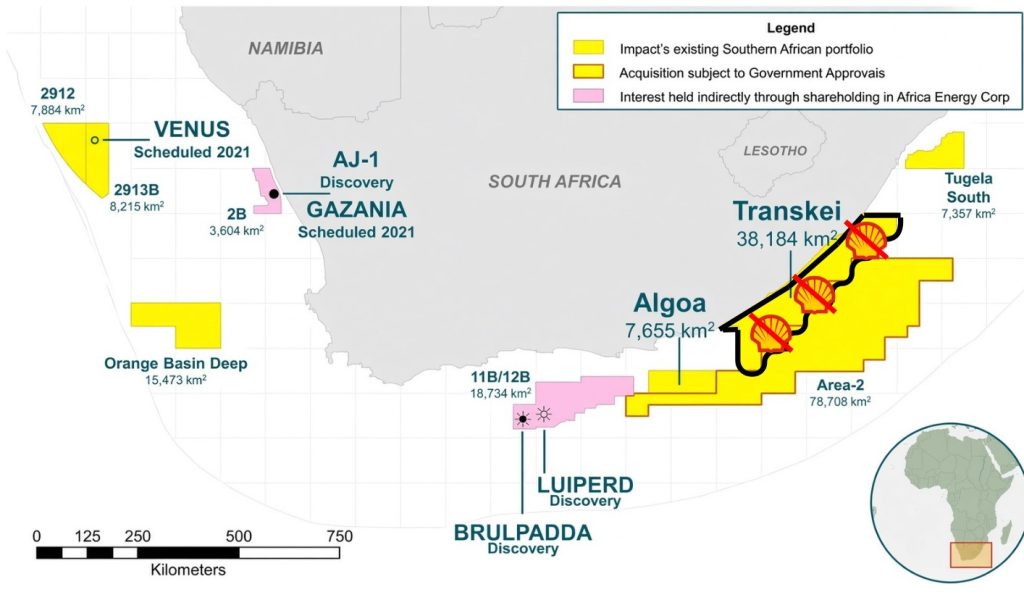
The court answered no. In a majority judgment, Justice Jody Kollapen made clear that later attempts at consultation during a renewal process could not cure the original failure. The exploration right, and the renewals that followed it, were set aside. Seven of the nine judges agreed. The effect is final. Shell will not be allowed to proceed with the seismic surveys and exploration work it had hoped to resume.
For the coastal communities who first stood against the project in 2021, the ruling is more than a technical legal victory. It is recognition that public participation is not a box-ticking exercise. As one of the legal teams involved put it, the court affirmed that the dignity of people must sit at the centre of decisions that will shape the places they call home. The Wild Coast has become a national symbol of that principle.
Shell is no ordinary company. With a market value measured in the trillions of rand, it is one of the largest energy groups on the planet. This is not its first setback in South Africa. Earlier court battles over seismic surveys off the same coastline, and the recent sale of its downstream fuel business to Abu Dhabi’s ADNOC, have already redrawn the company’s presence in the country. The Constitutional Court judgment adds another decisive chapter. Upstream exploration off the Wild Coast is now closed to the partnership that held the right.
The wider context matters. South Africa continues to weigh the tension between the need for energy security and the growing demand for genuine environmental and community consent. Other offshore projects remain under scrutiny. The Wild Coast ruling will be studied closely by every company and every government department involved in future licensing. It raises the bar for how consultation must be done, and it reminds decision-makers that flawed processes cannot simply be repaired years later when communities object.
From the West Coast to the Eastern Cape, South Africans who live beside the sea understand what is at stake. The ocean is not an empty space waiting for industrial activity. It is a living system that supports fishing livelihoods, tourism, cultural practice, and the quiet sense of place that many people still guard carefully. Friday’s judgment does not settle every debate about oil and gas. It does, however, draw a clear line around one particular stretch of coast and one particular history of consultation that the country’s highest court has now declared unlawful.
Shell has noted the ruling and restated its commitment to responsible exploration and stakeholder engagement. The communities and organisations that brought the case have described it as one of the most significant environmental judgments in recent South African history. Between those two statements lies the real story: a coastline that refused to be treated as a formality, and a court that agreed the people who live there were right to insist on being heard from the beginning.


