There’s a particular heaviness that settles over the Western Cape when the trucks start lining up outside Cape Town harbour again. You can feel it in the citrus season, when the wind picks up and the containers sit waiting, and you can feel it further up the coast when the iron ore and coal trains move more slowly than they should. For years that heaviness has been the quiet tax South Africans pay for a logistics system that has struggled to keep up with the country’s needs.
On Thursday, Transport Minister Barbara Creecy put a number to the next attempt to lift some of that weight. Transnet, the state-owned ports and rail operator, is preparing to ask National Treasury’s Infrastructure Budget Facility for around R35 billion. The money is meant for projects that stretch through to 2030 and upgrades, equipment, and the practical work required to give private train operators a real chance of success on the network.
The request sits on top of R13 billion that Transnet has already received from the same facility. Of that earlier amount, R11.2 billion went toward repairing the iron and coal corridors and improving efficiency at the Durban Container Terminal. The new funds, Creecy told Bloomberg in Cape Town, will largely go toward railway upgrades so that the eleven new train operating companies recently awarded slots can actually move freight. “Transnet will probably have to spend about R35 billion to upgrade railways so that the new network operators have a chance,” she said. “They will have to obtain rolling stock.”
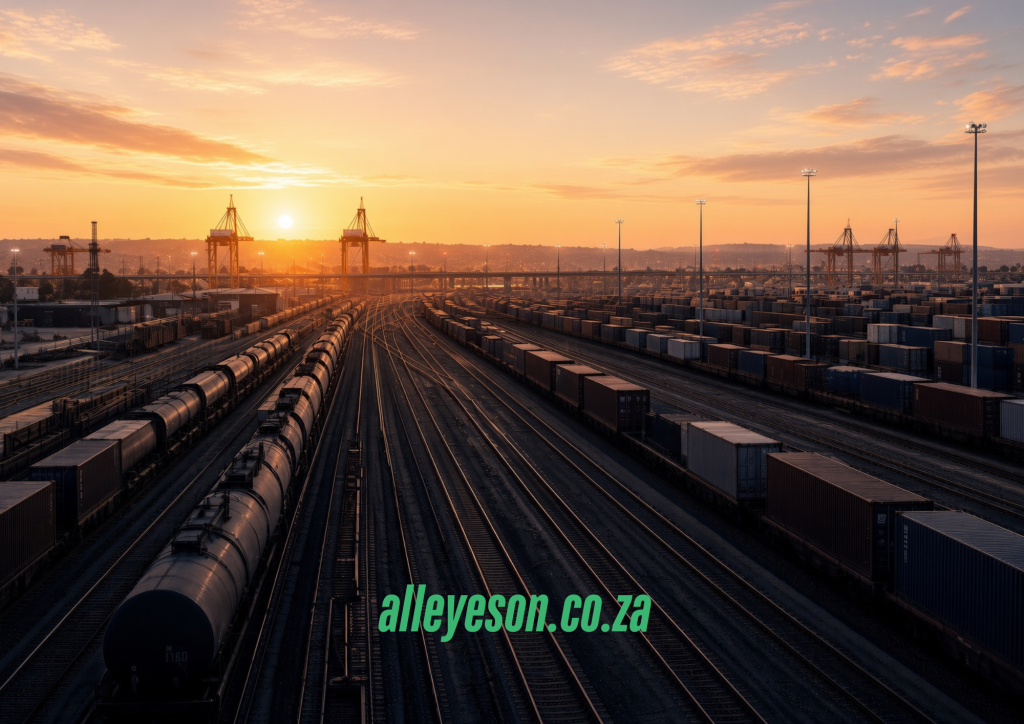
If the private operators deliver, the network could see an additional 24 million tons of freight capacity within roughly eighteen months. That figure matters. South Africa’s economy has expanded by less than one percent a year on average for more than a decade, and transport bottlenecks have repeatedly been named as one of the reasons growth stays so low. When trains run late and ports clog, everything from mining exports to fresh produce feels the strain.
For the Western Cape the conversation is especially close to the ground. Cape Town’s port has long been a pressure point for citrus exporters who race against the wind and the calendar. Creecy pointed to two practical steps that could ease some of that pressure: plans for a privately operated floating dock to expand ship-repair capacity, and the introduction of a “port community system” that would bring shipping agents and owners into the operational rooms of the ports. Better coordination, she suggested, would help the citrus sector move containers more smoothly during the windy months when delays hurt most.
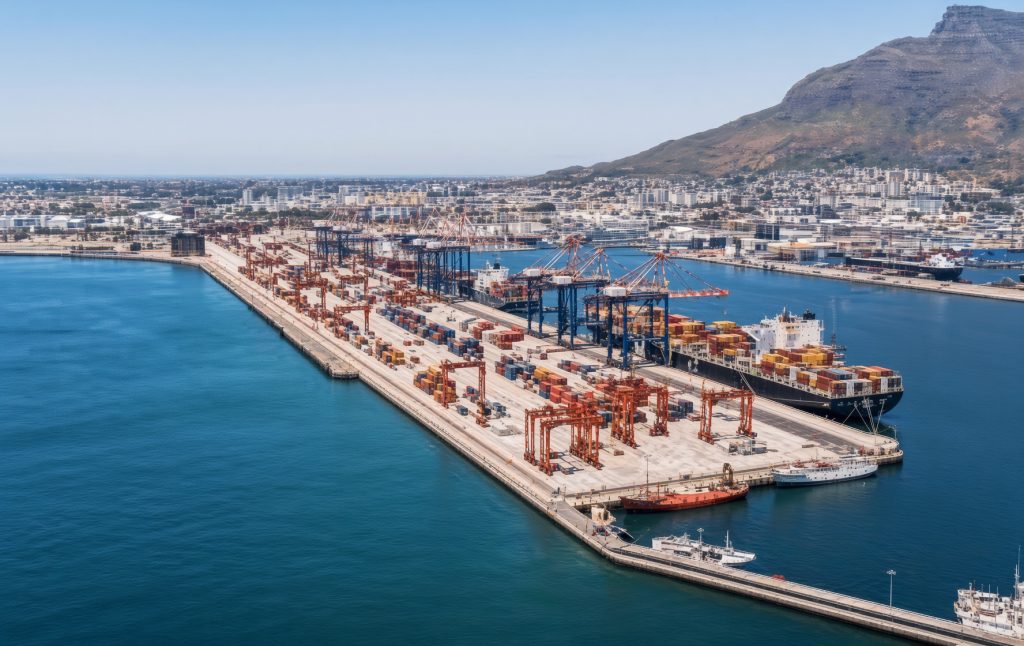
None of this is abstract for people who live along the West Coast or work in the export chains that feed through Cape Town. When the rail lines work and the harbour moves with less friction, the benefit shows up in more predictable seasons, fewer wasted loads, and a quieter sense that the country’s logistics spine is finally being repaired rather than simply managed from crisis to crisis.
The R35 billion request is not a guarantee of delivery. It is a formal ask, one more step in a long process of trying to reverse years of underperformance and the damage left by graft. Yet the direction is clearer than it has been in some time: private operators are being invited onto the network, and the state is being asked to fund the infrastructure that will make those operators viable. Whether the money arrives at the scale requested, and whether it is spent with the discipline the system needs, will shape how quickly that additional 24 million tons of capacity becomes real.
For now the announcement itself is a reminder that the country’s ports and railways remain central to any serious conversation about growth. The trucks will still line up when the wind blows and the season peaks. The question is whether, by 2030, those lines will be shorter, and whether the trains that feed the harbours will finally be moving at the pace the economy requires.


