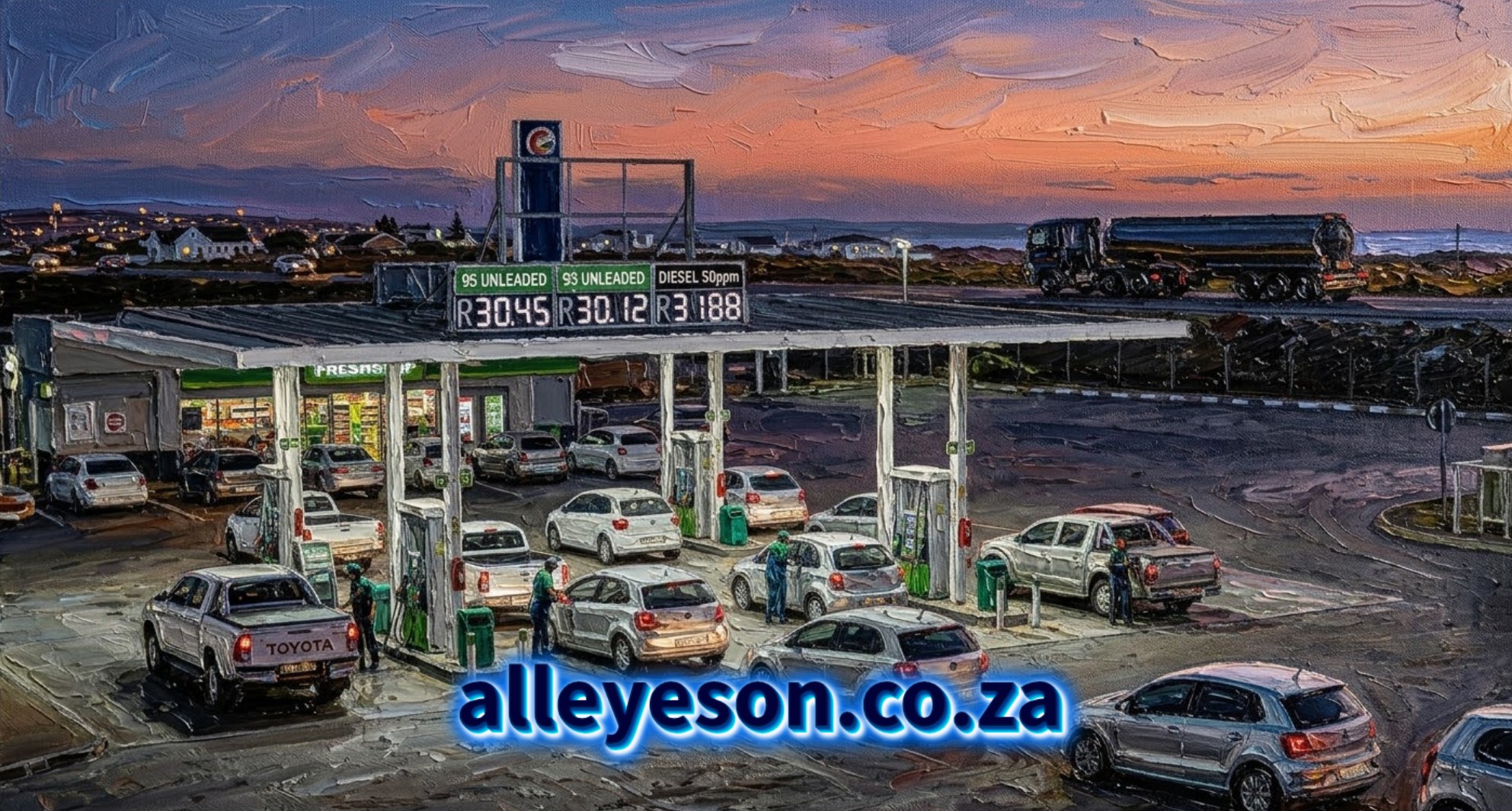

South Africa’s petrol price has already broken R30 a litre inland. Diesel sits even higher. These are not temporary spikes. They are the local face of a worldwide problem: the emergency oil buffers that kept prices from exploding earlier this year are now nearly empty.The United States Strategic Petroleum Reserve has fallen to about 283 million barrels , its lowest level since 1982.
Globally, commercial inventories have been drawn down hard. Saudi Aramco’s chief executive recently warned that usable commercial stocks have dropped below six billion barrels, with only a small portion practically available. The International Energy Agency has recorded cumulative draws of more than 500 million barrels since the disruptions began early in 2026.Those disruptions started when conflict closed most tanker traffic through the Strait of Hormuz. Roughly one fifth of the world’s seaborne oil normally moves through that narrow waterway. Emergency releases from strategic reserves, Chinese stock draws, and Saudi efforts to push more oil overland bought time.

That time is running out.South Africa feels the pressure more sharply than most. The country is a net importer of both crude and refined products. Local refining capacity covers only about 40 percent of needs; the rest comes from abroad. Strategic stocks held by the Strategic Fuel Fund now stand at just 6.9 million barrels, enough for roughly 30 days at current processing rates. A draft policy aims to raise the target to 60 days of net imports, but it is not yet law.Higher fuel costs do not stop at the pump. They raise the price of moving food, fertiliser and goods. Farmers face higher harvest and transport bills. Retailers pass those costs on. Inflation rises. Households cut spending.
The same pattern is visible from Cape Town to Gauteng: people rethink every litre and every trip.In the near term the outlook is clear. As remaining buffers thin further, prices stay elevated. Any new disruption, another pipeline attack, tighter sanctions, or slower tanker movements, will hit harder because the cushion is gone. South Africa has little domestic spare capacity to absorb the shock. The government is weighing limited relief options, but large subsidies would divert money from other services.Who benefits from this situation? Those who control the remaining physical oil, the shipping routes, the storage tanks and the trading desks. Producers with spare capacity can sell at elevated prices.

Traders who timed the market correctly lock in gains. Large integrated companies with refining and logistics assets protect their margins. Ordinary consumers and smaller businesses carry the higher costs. The emergency releases and temporary fixes were never designed to change that structure; they only delayed the bill.South Africa’s vulnerability is structural. Years of declining refining capacity and low strategic stocks left the country exposed. The current crisis simply made the exposure visible. Rebuilding meaningful reserves and restoring more local processing will take time and capital. Until then, every global tightness is felt at South African pumps and in South African shopping baskets.
The short-term strategies that once kept oil prices stable are exhausted. What remains is a tighter market in which the few who hold the physical barrels and the infrastructure continue to set the terms. For everyone else the price of energy, and of everything that moves on energy stays high.