China’s ambitious solar developments in the Gobi Desert provide South Africa with a compelling case study in large-scale renewable energy deployment.
The strategic focus on vast desert regions with high solar irradiance shows how geography can be turned into a national asset. South Africa, with its own excellent solar resources in the Northern Cape and parts of the West Coast, could adopt a similar targeted approach instead of fragmented small projects.
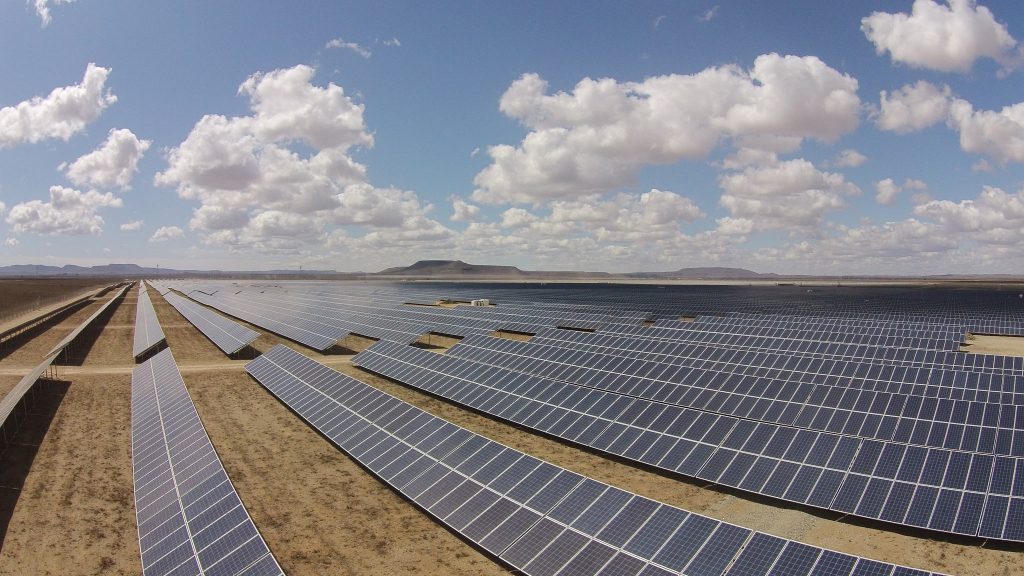
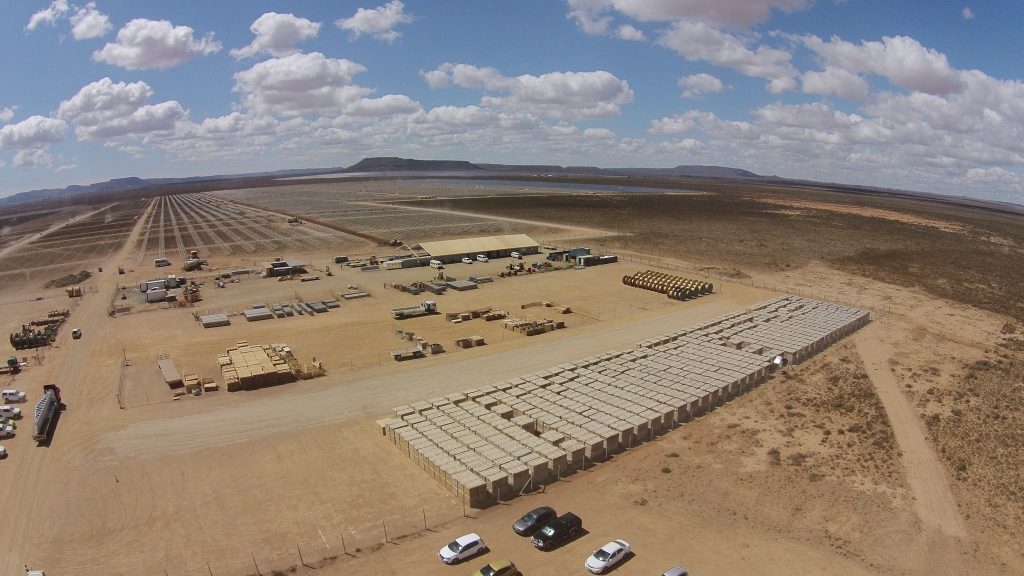
Scale is a critical lesson. China’s Kubuqi “Great Solar Wall” targets 100GW across a 5km-wide by 400km-long corridor. SA’s largest solar farms remain far smaller. Building at true utility scale with coordinated transmission would deliver more meaningful impact on the grid. Engineering adaptations to harsh conditions — robotic cleaning systems, bifacial panels, and durable tracking mounts — directly address challenges South African developers face with dust, heat and sand.
Transmission planning stands out as essential. China’s heavy investment in UHVDC lines brings remote desert power to eastern load centres. Eskom and government must prioritise similar dedicated corridors from renewable-rich areas to demand centres. Policy consistency and long-term commitment accelerate progress. China’s clear 2060 carbon goals and state support contrast with South Africa’s often uncertain renewable procurement timelines.
Hybrid systems combining solar with wind and storage offer a model for grid stability. Ecological co-benefits, such as vegetation growth under panels to combat desertification, show solar can deliver environmental wins alongside power generation.For local entrepreneurs, the Gobi projects highlight opportunities in manufacturing components, maintenance technology and project development skills — areas where South Africa could build industrial capacity.
While South Africa cannot replicate China’s authoritarian model or financial muscle, the principles of ambition, integrated planning, and execution at scale are highly relevant. Applying these could help reduce load shedding, lower long-term energy costs and position the country as a regional renewable leader.


