As electric vehicles slowly but surely increase their presence on our roads, the decades-old reliance on petrol and diesel taxes is becoming unsustainable. Billions that once flowed reliably into road maintenance and national budgets are starting to dry up.
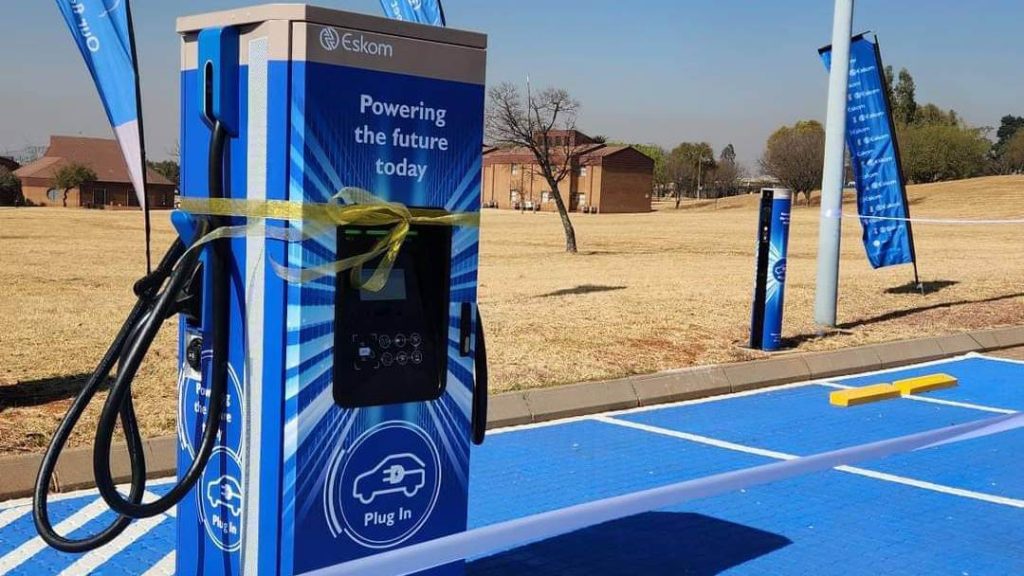
Industry leaders and analysts are warning that without urgent new funding models — such as distance-based road charges or electricity consumption levies — the country could face serious shortfalls for keeping highways and local roads in good condition. Recent developments show charging infrastructure expanding, yet gaps remain. On the N1, for example, the stretch between Beaufort West and Laingsburg (115 km) still has no public fast charger. Most modern EVs can cover this distance comfortably, but many drivers still feel the anxiety of range when planning long trips. Installing reliable fast chargers is expensive — 50 kW units can cost between R350,000 and R650,000 each, with grid upgrades pushing expenses even higher. European countries face similar costs but benefit from denser networks and stronger subsidies.
For families on the West Coast who depend on vehicles for work, school runs and business deliveries, these changes will reshape monthly budgets in the coming years. The promise is real: fewer oil imports, cleaner air in our towns, and potentially lower long-term running costs.
Yet the transition also brings uncertainty. Early EV adopters worry about fair treatment, while traditional motorists wonder who will carry the burden of road funding going forward.
The shift away from petrol taxes is no longer a distant possibility — it is already underway. South Africa now has a narrow window to design a modern, equitable system that supports cleaner transport without leaving essential infrastructure behind.

EV infrastructure is growing, but strategic gaps still exist between major centres.


