For generations, South African motorists have paid a hidden tax every time they filled up at the pump. Roughly R6 out of every litre of petrol or diesel went straight to the government through fuel levies and the Road Accident Fund. That familiar system is now facing an uncertain future.
As electric vehicles slowly gain traction on our roads, the billions generated from fuel taxes are beginning to shrink. Currently, South Africa collects around R95 to R100 billion annually from fuel levies. The Road Accident Fund alone receives roughly R50 to R55 billion of that amount. While the immediate loss is still small — estimated at only R130 million per year — the long-term implications are far more serious.
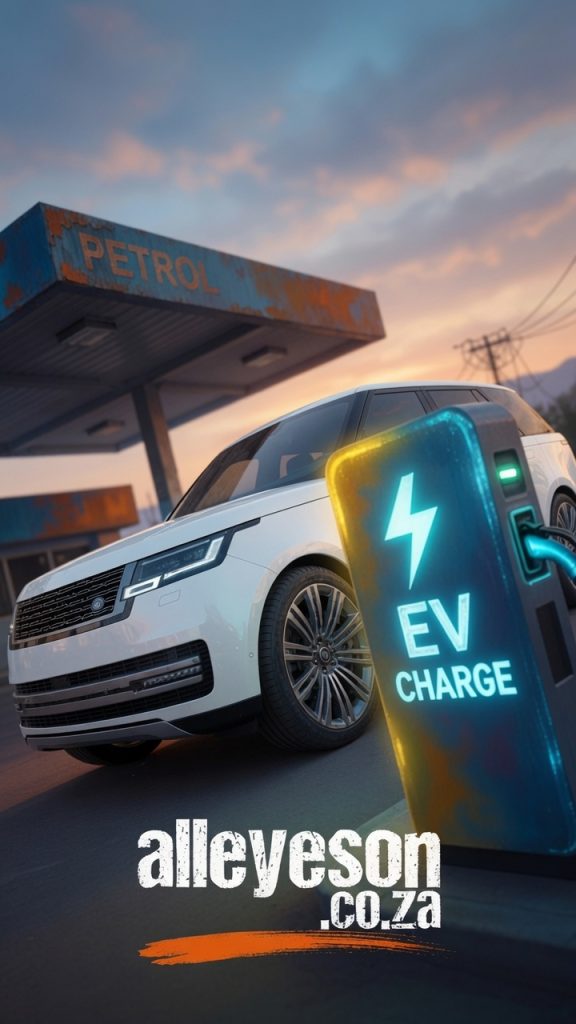
Studies suggest that if EV adoption accelerates in line with government targets, cumulative losses could reach between R700 billion and R1 trillion by 2050. Annual fuel tax revenue could drop by as much as 74% to 95% in aggressive scenarios. The government is effectively watching one of its most reliable and easy-to-collect revenue streams slowly evaporate.
South Africa is not alone in this challenge. Across the world, governments are scrambling to replace lost fuel tax income. In Europe, countries like the Netherlands are rapidly phasing out EV tax breaks, with discounts expected to disappear completely by 2030. Many European nations are shifting toward distance-based road user charges — a pay-per-kilometre system.
In the United States,
40 states already charge higher annual registration fees for EVs, while several states have introduced mileage-based road usage charges. Japan has taken a more direct route, announcing a new weight-based tax on EVs and plug-in hybrids starting in 2028, recognising that heavier battery-powered vehicles cause more damage to roads.
For South Africa, the transition raises difficult questions. How do you tax road usage fairly when vehicles no longer consume fuel? The most likely solutions include significantly higher annual vehicle licence fees for EVs, a new electricity levy on charging, and eventually a nationwide distance-based road user charge.
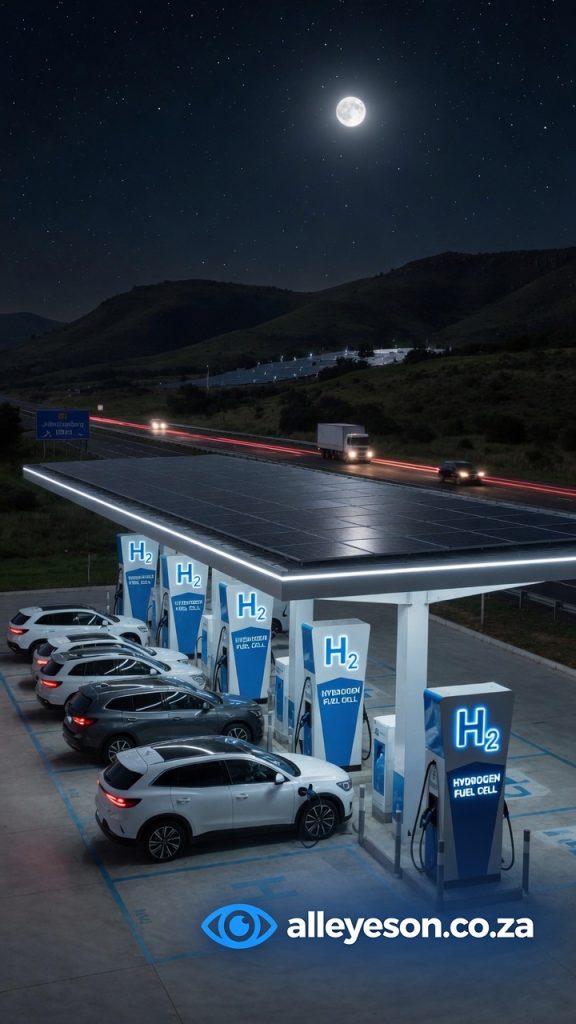
West Coast motorists, who often travel long distances between towns, will feel these changes particularly sharply. While EVs promise lower running costs and reduced dependence on imported fuel, the shift will require careful planning to avoid burdening early adopters or creating funding shortfalls for road maintenance.
The coming years will test government’s ability to balance environmental goals with fiscal reality. The petrol tax era is ending. The only question that remains is how quickly and how fairly South Africa can design a new system to replace it.


