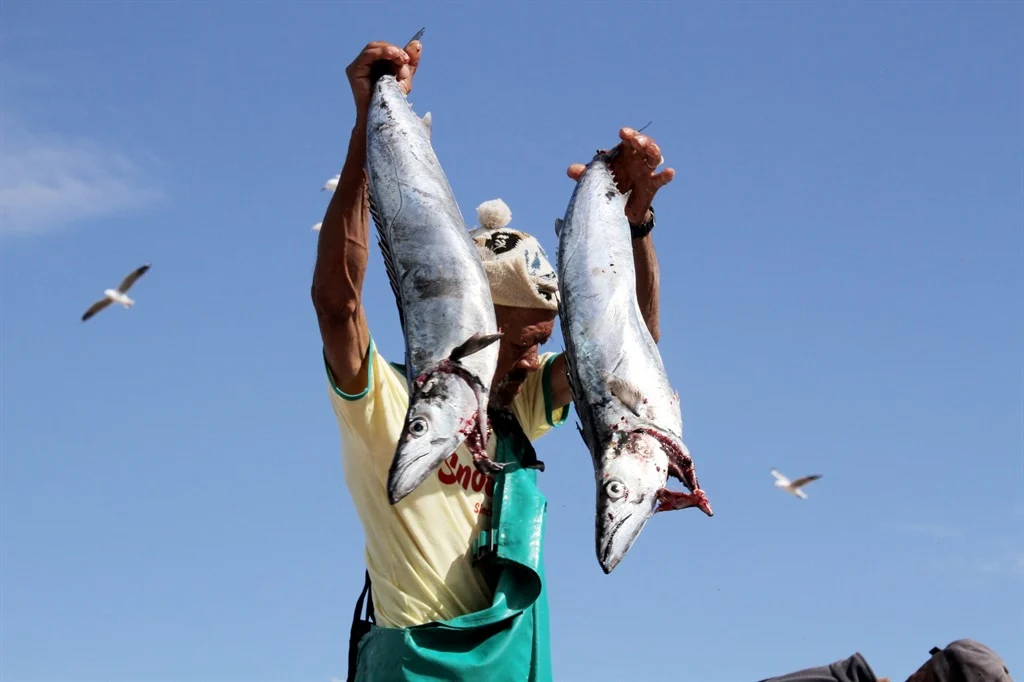

The snoek (Thyrsites atun), that long, fierce predator of the cold Benguela Current, has shaped the soul of South Africa's Western Cape for centuries—a fish that's fed families, sparked traditions, and defined seasons along the rugged coast.
When Dutch settlers stepped ashore at the Cape in 1652, they quickly encountered this barracuda-like species and dubbed it "zeesnoek" (sea snoek), likening its sharp teeth and streamlined body to the northern pike they knew. By the early 1800s, snoek had become a commercial cornerstone. Handlines and beach seines brought in abundant catches, supplying fresh, dried, or salted fish to Cape Town's growing population and even exports to places like Mauritius. For enslaved people from Indonesia and the poorer households of the Cape, snoek was a lifeline—affordable protein that became deeply embedded in Coloured community culture, evolving from humble staple to cherished delicacy.
Snoek thrives in the nutrient-rich, chilly waters (13–18°C) stretching from Namibia down the Northern and Western Cape coasts, occasionally venturing as far east as Algoa Bay. These pelagic wanderers follow massive sardine and anchovy shoals in seasonal migrations. The legendary "snoek run" explodes in autumn and winter (April–July/August), when huge schools surge southward along the West Coast. Towns like St Helena Bay, Lambert's Bay, and Hout Bay come alive: boats launch at first light, lines drop into the frenzy, and harbors fill with glistening hauls. In Hout Bay—once known as a snoek hub—markets bustle, while further north in Lambert's Bay, the run turns quiet fishing villages into hubs of activity, with quaysides auctioning fish to mongers who hawk them roadside.

Culturally, snoek is the heartbeat of West Coast life, especially in Coloured families whose ancestors fished these waters generation after generation. It's the undisputed king of the braai: butterflied open, basted with apricot jam, garlic, and butter, then grilled over open coals until the skin crisps and the rich, oily flesh flakes apart. From smoorsnoek (braised with onions and potatoes) to pâté or bredie, it graces family tables and celebrations. The arrival of the first good run feels like a festival—stories shared, fires lit, and the smoky aroma drifting across the bay.
Though ocean changes and fishing pressures have tested stocks, snoek endures as a symbol of heritage, resilience, and shared bounty. From the wild shores near Cape Point to the bustling docks of Cape Town, this fish carries tales of migration, survival, and the simple joy of a meal under wide Atlantic skies—a true icon of the Western Cape.
Next article topic: Galjoen